
Safe Use of Melatonin for Children: Dosage, Risks, and Expert Guidelines
 Jun, 16 2026
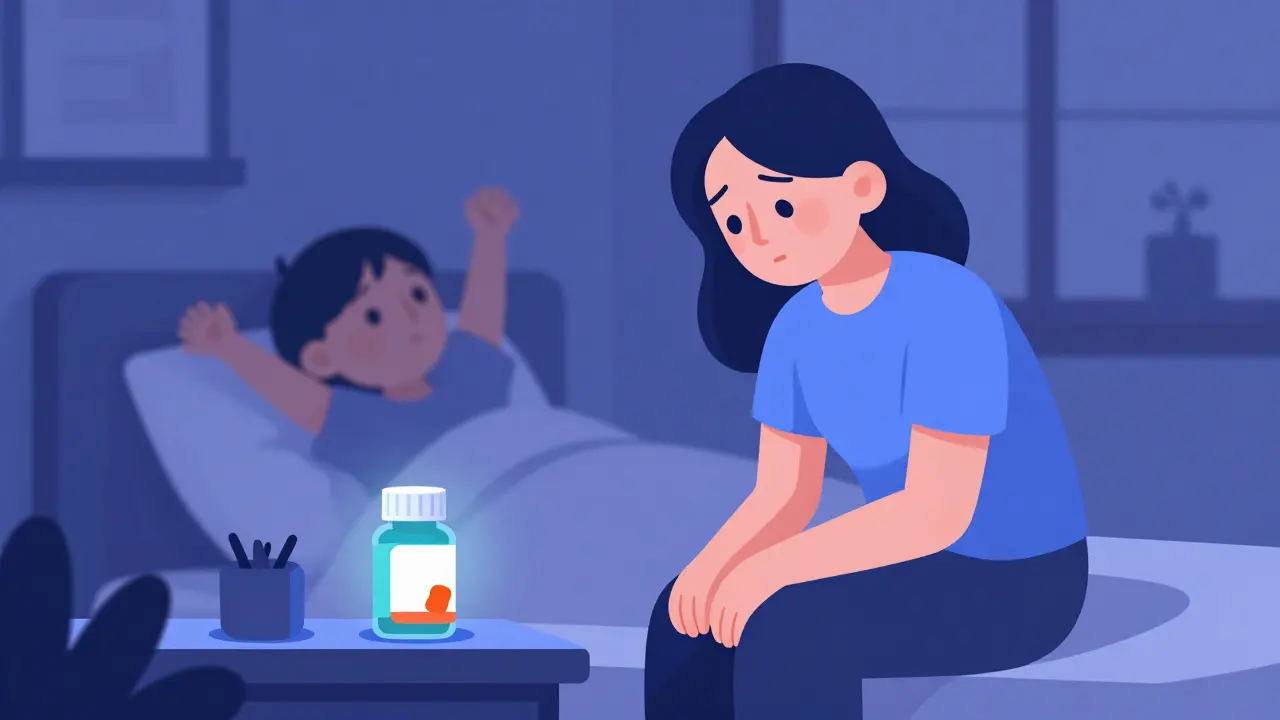
It is 2 AM. You are exhausted. Your child is still wide awake, bouncing off the walls or staring at the ceiling. The frustration builds until you reach for that bottle of gummies on the nightstand. It feels like a harmless shortcut to rest, especially since it’s labeled "natural." But is it? The reality of melatonin, the hormone that regulates our internal clock, is far more complex than a simple bedtime candy.
Melatonin use in children has skyrocketed. Data from the Centers for Disease Control and Prevention (CDC) shows a staggering 530% increase in usage among kids between 1999 and 2012. Today, roughly 3.1% of children aged 4 to 17 take supplements regularly. While many parents view it as a benign aid, medical experts warn that treating it like a vitamin can lead to serious mistakes. Understanding how this hormone works, what the safe doses actually are, and when to avoid it entirely is crucial for your child's health.
What Is Melatonin and How Does It Work?
To understand why we give it to kids, we first need to look at what it actually does. Melatonin is a hormone produced naturally by the pineal gland in the brain. Its primary job is to signal to the body that it is time to sleep. As light fades in the evening, production ramps up; as sunlight hits our eyes in the morning, it shuts down. This cycle is known as the circadian rhythm.
When you buy melatonin over the counter, you are giving your child an external dose of this hormone. It doesn’t knock them out like a sedative. Instead, it acts as a dimmer switch, lowering alertness and preparing the body for rest. However, because it is a hormone, it interacts with other systems in the body, including those involved in growth and development. This is why the American Academy of Pediatrics (AAP) states that while short-term use appears relatively safe, there is insufficient evidence to support long-term daily use in healthy children.
The Regulatory Gap: Supplement vs. Medication
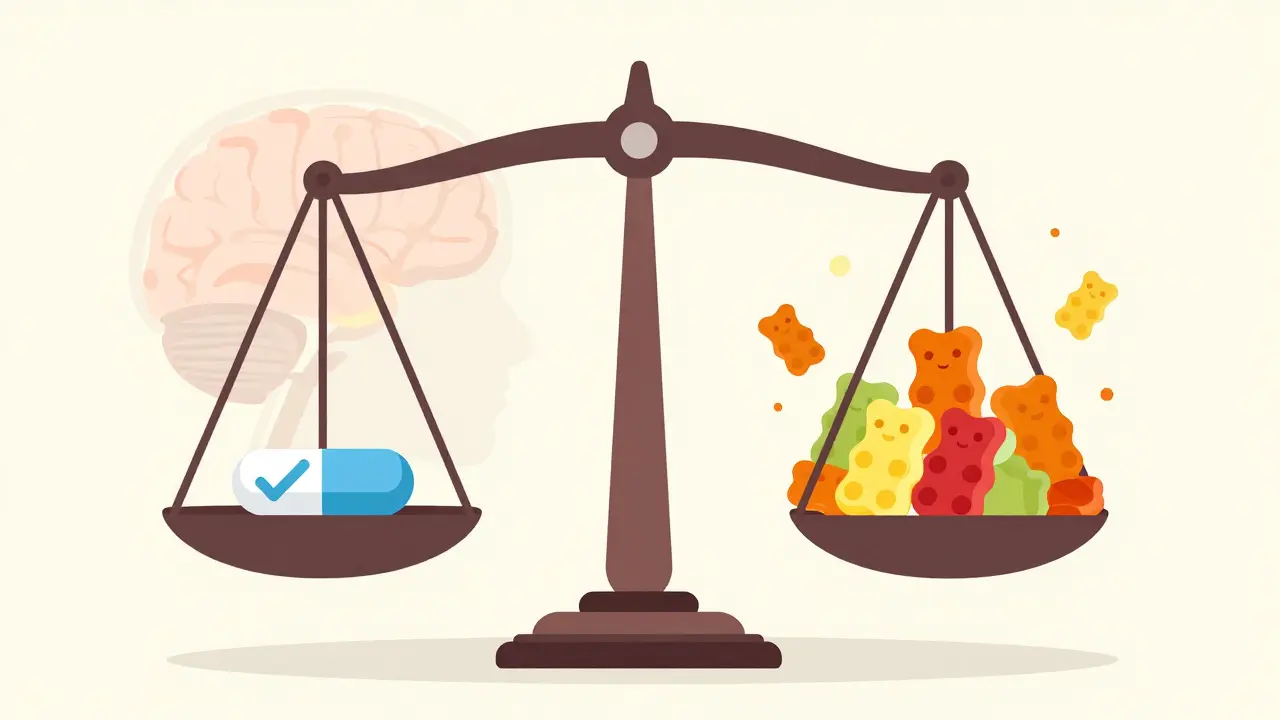
One of the biggest risks parents face isn't just the molecule itself, but how it is sold. In the United States, melatonin is classified as a dietary supplement under the Dietary Supplement Health and Education Act (DSHEA). This means it bypasses the rigorous testing required for pharmaceutical drugs. The Food and Drug Administration (FDA) does not approve melatonin for safety or efficacy before it hits the shelves.
This lack of regulation creates a dangerous variability in product quality. A study published in JAMA Network Open found significant discrepancies between the amount of melatonin listed on labels and what was actually inside the pills. Some products contained up to 350% more melatonin than stated, while others had significantly less. In contrast, countries like the United Kingdom regulate melatonin strictly. There, it is a prescription-only medication, often prescribed only for specific sleep disorders under specialist supervision.
If you are buying melatonin in the US, look for the USP Verified Mark. This independent certification ensures the product contains what the label says and is free from harmful contaminants. Without this verification, you are essentially guessing what dose your child is receiving.
Dosage Guidelines: Less Is Often More
There is no universal "correct" dose for every child, which causes confusion. However, expert consensus points to starting low and going slow. Physiologically, the body produces very small amounts of melatonin. A systematic review noted that 0.3 mg can reach levels similar to natural concentration. Doses above 1 mg are considered supraphysiologic-meaning they exceed what the body naturally makes.
Here is a breakdown of recommended ranges based on age and authoritative guidelines:
| Age Group | Recommended Starting Dose | Maximum Recommended Dose | Key Considerations |
|---|---|---|---|
| Under 3 Years | Avoid | N/A | Consult a pediatrician only if absolutely necessary. Sleep issues often resolve naturally. |
| Preschoolers (3-5 Years) | 1 - 2 mg | 3 mg | Start with the lowest possible dose. Liquid forms may be easier to adjust. |
| School-Age (6-12 Years) | 1 - 3 mg | 5 mg | Monitor for next-day grogginess. Gummy bears should be counted carefully. |
| Adolescents (13-18 Years) | 1 - 5 mg | 10 mg | Older teens may tolerate higher doses, but 12 mg is the absolute ceiling per experts. |
Dr. Sarah Malik from Children's Healthcare of Atlanta emphasizes that the highest dose a child should have is 12 mg, but most children respond well to much lower amounts. Many parents make the mistake of thinking more equals better sleep. In reality, high doses (>10 mg) can persist in the system for over 24 hours, potentially disrupting the next day’s natural hormone release and causing daytime drowsiness.
Timing Matters: When to Give It
Giving melatonin at the wrong time can backfire. Since it mimics the body’s natural wind-down signal, timing is critical. Most experts recommend administering it 30 to 60 minutes before bedtime. This allows time for absorption and onset of action.
However, some specialists suggest a window of 30 to 90 minutes depending on the formulation. Immediate-release tablets work faster, while slow-release versions (like Circadin, available by prescription in Europe) are designed to maintain levels throughout the night. If you give it too early, your child might fall asleep before you want them to. If you give it too late, it may not kick in until after they’ve been lying awake for an hour, increasing anxiety.
Consistency is key. Try to give it at the same time each night to help reinforce the circadian rhythm. Avoid giving it alongside heavy meals, as food can delay absorption.
Special Populations: Autism and ADHD
The conversation changes slightly for children with neurodevelopmental conditions. Studies show that children with autism spectrum disorder (ASD) or attention-deficit/hyperactivity disorder (ADHD) often have delayed melatonin production. For these groups, melatonin is one of the few interventions with strong evidence supporting its efficacy.
The American Academy of Sleep Medicine (AASM) acknowledges that for children with ASD or ADHD, the benefits of improved sleep quality often outweigh theoretical risks. Dr. Malik notes that these children may take melatonin for longer periods than typically developing peers. However, the dosage must still be tailored individually. A 2015 study documented dosing ranges from 0.5 to 10 mg for special needs children, highlighting the need for personalized medical guidance rather than one-size-fits-all advice.
Safety Concerns and Side Effects
While generally considered safe for short-term use, melatonin is not without side effects. Common mild reactions include headaches, nausea, dizziness, and stomach cramps. More concerning is the potential for vivid dreams or nightmares, which can be distressing for young children.
Overdose symptoms, though rare, require immediate medical attention. Signs include vomiting, rapid heart rhythm, and low blood pressure. Because melatonin affects blood sugar and blood pressure, children with diabetes or hypertension should use it with extreme caution and only under doctor supervision.
Another hidden risk is dependency-not physical addiction, but psychological reliance. If a child believes they cannot sleep without the pill, they may develop anxiety around bedtime. This is why melatonin should never be used as a substitute for good sleep hygiene.
Sleep Hygiene First: The Foundation of Rest
Before reaching for the bottle, evaluate the environment. Melatonin works best when combined with solid sleep habits. The AAP stresses that behavioral changes should always come first. Ask yourself:
- Is the bedroom dark, cool, and quiet?
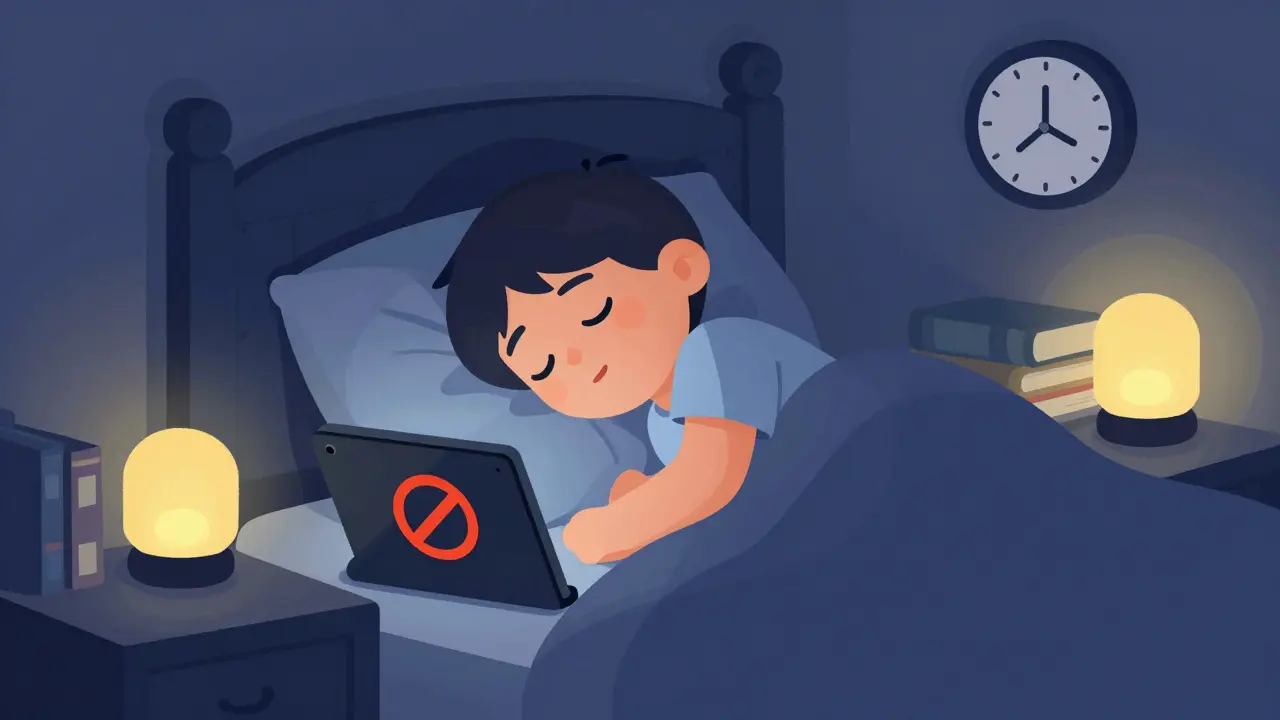
- Are screens (phones, tablets, TVs) banned at least one hour before bed? Blue light suppresses natural melatonin production.
- Is there a consistent bedtime routine? Bath, book, bed. Predictability calms the nervous system.
- Does your child get enough physical activity during the day?
If these basics are missing, melatonin will likely fail. It is a tool to assist a broken rhythm, not a fix for a chaotic lifestyle. Dr. Burns from Children's Colorado advises considering melatonin only after all important sleep hygiene steps have been exhausted.
When to Talk to a Doctor
You should consult a pediatrician before starting melatonin if:
- Your child is under 3 years old.
- Your child takes other medications, as interactions can occur.
- Your child has underlying health conditions like asthma, epilepsy, or diabetes.
- Sleep problems persist despite two to three weeks of consistent use.
- You notice excessive daytime sleepiness or mood changes.
Remember, melatonin is a medication, even if it sits next to the candy aisle. Treat it with the same respect and caution as any other drug prescribed by your doctor.
Is melatonin safe for toddlers under 3?
Most experts, including Children's Health, do not recommend melatonin for children under 3. At this age, sleep issues often stem from developmental milestones or separation anxiety and usually resolve naturally. If you consider using it, consult your pediatrician first, as safety data for this age group is limited.
Can my child become addicted to melatonin?
Melatonin is not physically addictive. However, psychological dependence can occur if a child believes they cannot sleep without it. To prevent this, use it sparingly and focus on building healthy sleep habits so the child learns to self-soothe and fall asleep independently.
How long can a child take melatonin safely?
For most children, melatonin should be used short-term, typically no longer than two to three weeks. For children with neurodevelopmental disorders like ASD or ADHD, longer-term use may be appropriate under medical supervision. Long-term safety data for healthy children is still lacking.
Why is melatonin regulated differently in the UK compared to the US?
In the US, melatonin is sold as a dietary supplement, meaning it is not rigorously tested for purity or dosage accuracy before sale. In the UK and EU, it is a prescription medication, ensuring strict quality control and medical oversight. This difference highlights the importance of choosing verified brands in the US market.
What are the signs of a melatonin overdose in children?
Symptoms of overdose can include vomiting, rapid heart rate, low blood pressure, and extreme drowsiness. If you suspect your child has taken too much, contact Poison Control or seek emergency medical attention immediately. Always keep melatonin stored out of reach of children.
Does melatonin affect puberty or growth?
Current research does not show direct evidence that standard doses of melatonin stunt growth or trigger early puberty. However, because melatonin influences hormonal pathways, the American Academy of Pediatrics cautions against long-term unsupervised use due to unknown long-term effects on development.