
QR Codes on Drug Labels: How Real-Time Safety Updates Work in 2026
 Aug, 20 2026
Drug Label QR Code Scanner Simulator
Select a medication and press “Scan QR Code” to simulate reading the label.
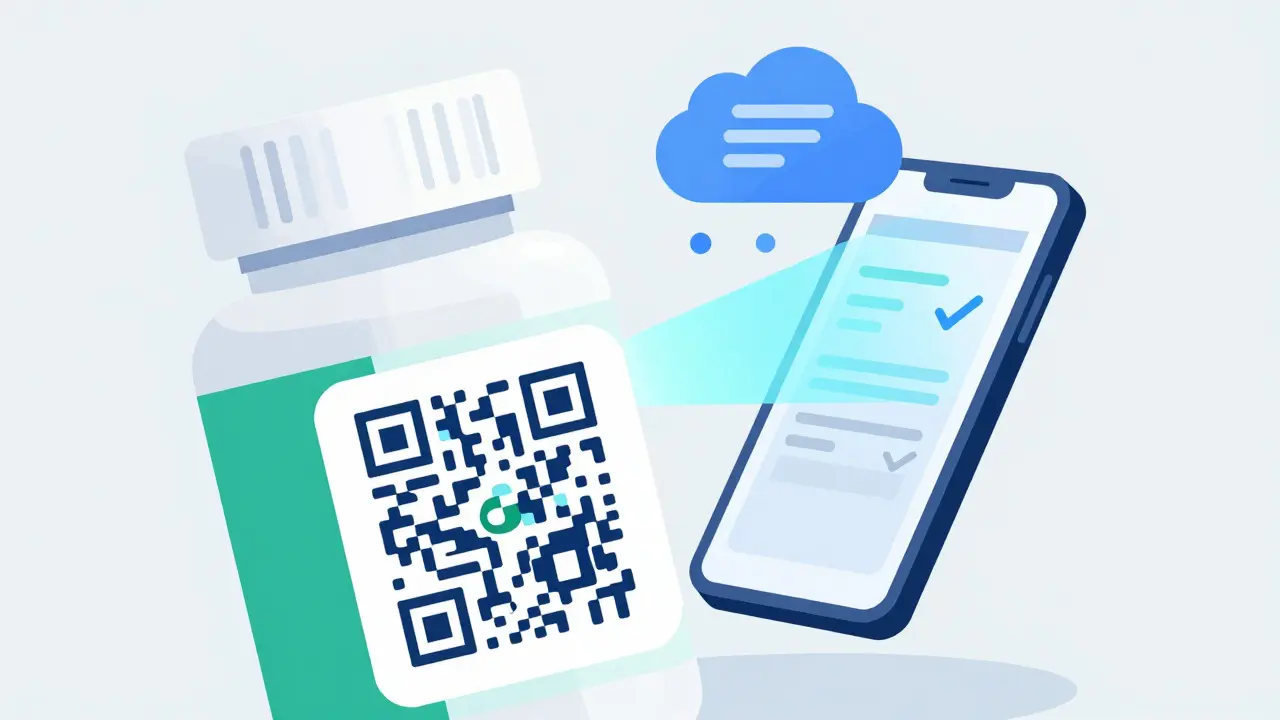
Imagine a critical safety warning appearing on your medication label within days of its discovery, not months later. That is exactly what QR codes on drug labels are enabling across global healthcare systems in 2026. This technology has moved from experimental pilot programs to a core component of modern pharmaceutical labeling, fundamentally changing how patients and doctors access up-to-date prescribing information. By linking physical packaging to dynamic digital content, manufacturers can push immediate updates for adverse effects or dosage changes directly to smartphones, bypassing the slow cycle of reprinting millions of boxes.
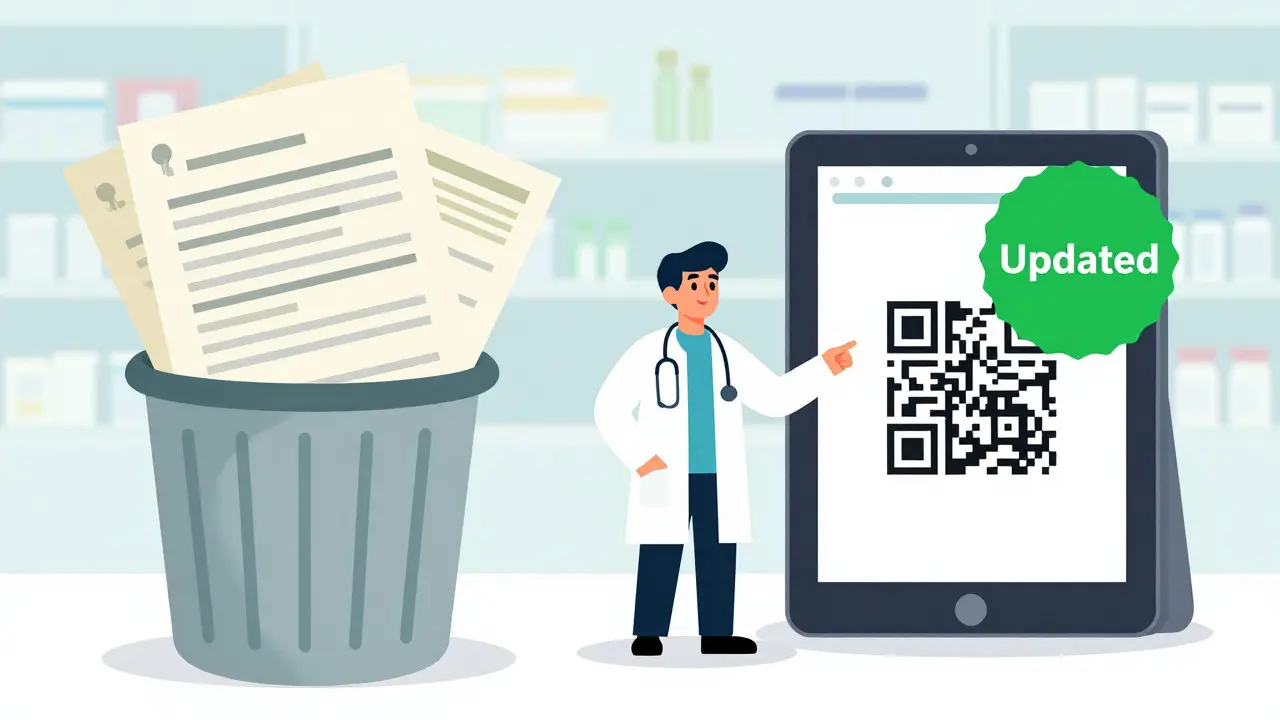
The shift addresses a long-standing frustration in medicine: static printed leaflets become outdated the moment a new risk is identified. With the adoption of dynamic QR codes, the information you see when scanning a pill bottle can change remotely without altering the physical product. For patients managing chronic conditions or taking complex regimens, this means the data they rely on is always current, significantly reducing the risk of medication errors caused by obsolete instructions.
How Dynamic QR Codes Transform Medication Safety
Traditional paper-based patient information leaflets (PILs) have a hard limitation: once printed, they are frozen in time. If a regulatory body issues a new warning, companies must recall stock or wait for new batches, a process that can take months. Dynamic QR codes solve this by pointing to a central web address where content is managed in real-time. When a manufacturer updates the text on their server, every patient who scans that code sees the new version instantly.
This capability is particularly vital for handling "black box warnings," which are serious alerts issued by agencies like the FDA or EMA. Industry data indicates that hundreds of such warnings are issued globally each decade. In the past, ensuring these reached all patients required massive logistical efforts. Now, the update is digital. A study by IntuitionLabs noted that this approach supports a 90-day cascade model for global safety updates, dramatically shrinking the timeline from discovery to patient awareness. It turns a static label into a live communication channel between the manufacturer and the end-user.
Regulatory Shifts and Global Adoption
The acceptance of this technology did not happen overnight; it required significant regulatory alignment. Spain was a pioneer, approving the use of QR codes to link to technical specifications back in 2021. However, broader European adoption accelerated after the UK’s Association of the British Pharmaceutical Industry (ABPI) updated its Code of Practice in 2024. This update officially permitted QR codes in promotional materials, provided they were large enough to scan easily and positioned for quick reference.
In the United States, military pharmacies began testing these systems as early as 2022, replacing bulky printed drug information with scannable links. As of 2026, the trend is moving toward mandated e-labeling in several jurisdictions. The European Federation of Pharmaceutical Industries and Associations (EFPIA) continues to refine guidelines, pushing for standardized formats that ensure consistency across borders. This regulatory harmonization is crucial because it allows multinational pharma companies to implement a single global strategy rather than navigating fragmented national rules.
Technical Implementation and Security Standards
Not all QR codes are created equal, especially in healthcare. Pharmaceutical companies predominantly use dynamic codes integrated with secure cloud hosting. These systems require robust security protocols to prevent counterfeiting. The codes often link to manufacturer databases that verify product authenticity using lot numbers and expiration dates. This dual function-providing information and verifying identity-adds a layer of trust to the supply chain.
Behind the simple square pattern lies a complex infrastructure. The technology stack typically includes API connections to pharmacovigilance databases and integration capabilities with electronic health records (EHR). For example, platforms like DosePacker’s CareCommunityOS allow the scanned data to flow directly into a patient’s medical history. This ensures that when a pharmacist or doctor views the record, they see the exact version of the safety information the patient accessed. Audit trails are also maintained, logging who scanned the code and when, which helps satisfy strict compliance requirements under regulations like GDPR and HIPAA.
| Feature | Static QR Codes | Dynamic QR Codes |
|---|---|---|
| Content Updates | Requires new physical label | Updated remotely via server |
| Cost Efficiency | High for frequent changes | Low for ongoing maintenance |
| Audit Trail | Limited or none | Detailed scan logs available |
| Best Use Case | Pricing, permanent links | Safety updates, instructions |
User Experience: Patients and Healthcare Providers
How does this actually feel for the people using it? Feedback from 2024 and 2025 surveys shows a generally positive reception, but with clear caveats. A PMC study found that 63% of surveyed patients and pharmacy staff were knowledgeable about QR codes. Pharmacy staff reported high satisfaction, noting that digital reporting of adverse events was preferred over paper methods by 85% of respondents. One hospital pharmacist shared that after implementing QR codes on discharge medications, patient comprehension of complex regimens improved by approximately 40% based on follow-up surveys.
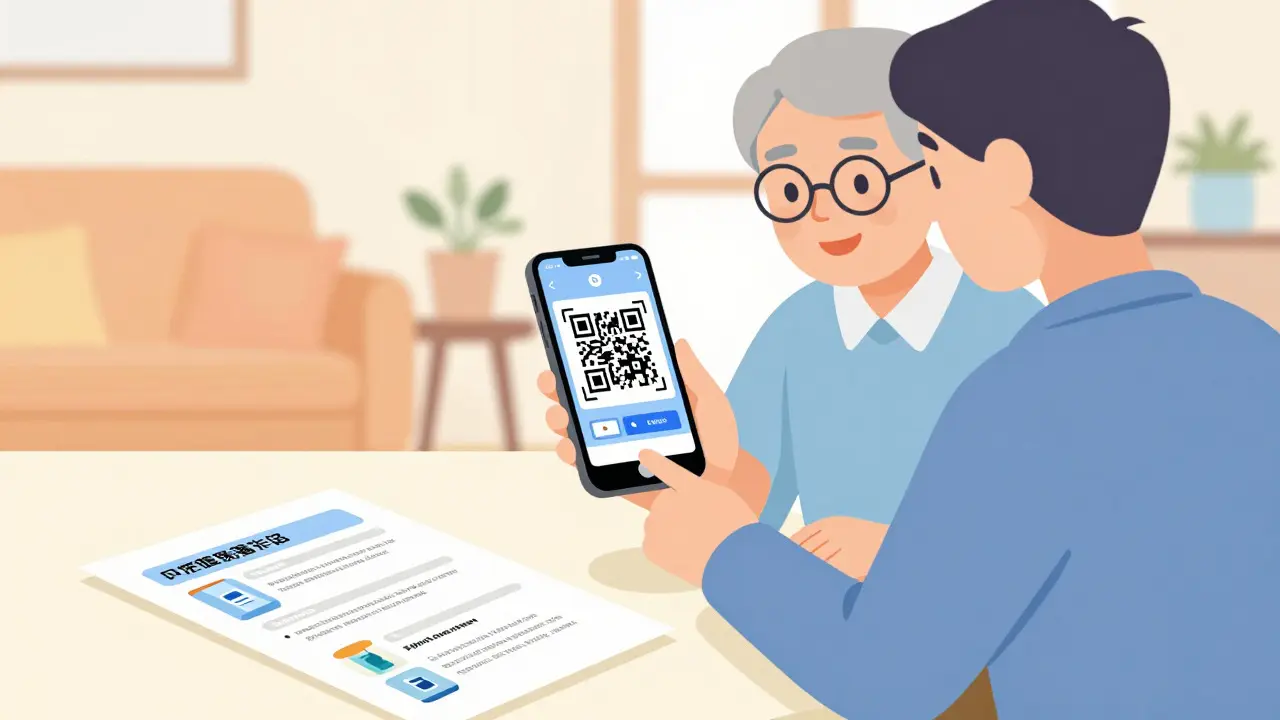
However, the experience isn't universal. Digital equity remains a significant challenge. In rural clinics, elderly patients sometimes struggle with smartphone limitations or poor internet connectivity. One user on HackerNews reported visiting three rural clinics where 60% of elderly patients couldn't easily access the information due to device issues. To mitigate this, successful implementations adopt a hybrid approach. Printed instructions are still included alongside the QR code, and pharmacy staff provide on-site support for scanning. This ensures that while the digital path offers speed and currency, the traditional path remains accessible for those who need it.
Challenges and Solutions in Deployment
Implementing this technology is not just a tech upgrade; it is an organizational change. Full integration typically takes three to six months, involving regulatory approval, content migration, and staff training. Companies must define precise objectives, such as improving completion rates for patient education or reducing time-to-report for side effects. Cross-functional teams comprising regulatory affairs specialists, IT professionals, and patient safety experts are essential to navigate these complexities.
Privacy concerns also arise. Since the codes link to online databases, data protection becomes paramount. Encryption and authentication measures are standard, but patients still need assurance that their scan history isn't being misused. Transparency in how data is used helps build trust. Furthermore, ensuring universal smartphone compatibility is a technical hurdle. Testing protocols must verify scannability across diverse devices and lighting conditions, as a code that works on a high-end phone might fail on an older budget model in a dimly lit bathroom.
The Future of Pharmaceutical Labeling
Looking ahead, the integration of artificial intelligence is expected to enhance signal detection. AI algorithms can analyze the vast amounts of data generated by QR code interactions to spot emerging safety trends faster than manual review. Additionally, we are seeing the rise of Unique Device Identifiers (UDIs) becoming standard, further enhancing traceability from manufacturing to dispensing. Apps like DosePacker’s MyDoses are beginning to connect QR codes directly to medication management tools, turning a simple scan into a comprehensive health action plan.
Industry analysts describe this not merely as a technological upgrade but a fundamental shift in pharmaceutical safety communication. While challenges in digital equity persist, the trajectory is clear. By 2026, QR codes on drug labels are no longer a novelty; they are a baseline expectation for modern, responsive healthcare. The goal remains consistent: ensuring that every patient, regardless of location, has access to the most accurate and timely safety information possible.
Do I need a special app to scan drug label QR codes?
No, most modern smartphones have built-in camera scanners that work with QR codes. You simply point your camera at the code, and it will open the linked webpage automatically. No additional software installation is usually required.
What happens if my phone has no internet connection?
If you are offline, the QR code cannot load the latest digital content. This is why best practices recommend keeping the printed patient information leaflet in the box as a backup. Once you regain connectivity, scanning the code will provide the most up-to-date information.
Are QR codes on drugs secure from tampering?
Yes, they use encryption and authentication protocols. The codes often link to secure manufacturer databases that verify the product's lot number and expiration date, helping to prevent counterfeit drugs from entering the supply chain.
Can doctors see when I scan the code?
It depends on the specific system implementation. Some platforms integrate with Electronic Health Records (EHR), allowing providers to see that you accessed the information. This is generally done to ensure you received the correct guidance, but privacy policies should be checked to understand exactly what data is shared.
Why are some countries adopting this faster than others?
Adoption speed depends on regulatory frameworks and digital infrastructure. Europe has been a leader due to coordinated efforts by bodies like EFPIA and ABPI. Other regions may face slower adoption due to varying levels of smartphone penetration and differing regulatory approvals for digital labeling.