
Proton Pump Inhibitors: Long-Term Risks and When to Stop Taking Them
 May, 23 2026
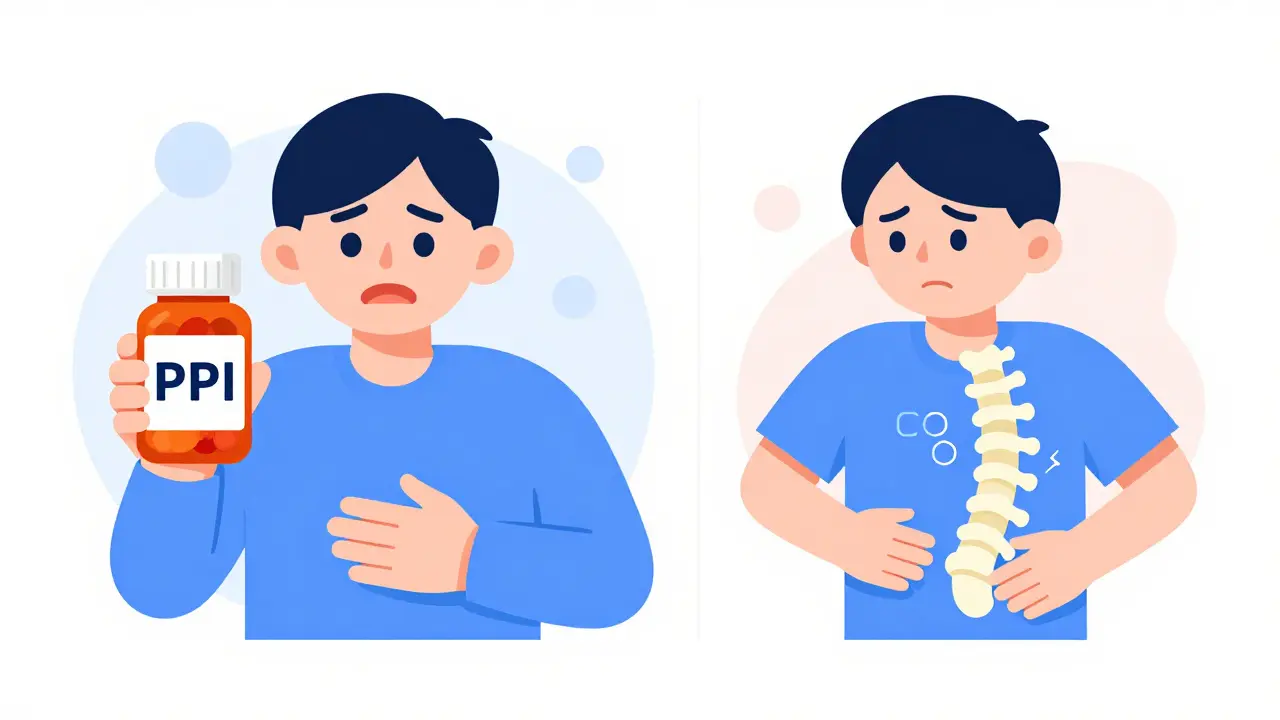
Heartburn is miserable. We all know that feeling of fire rising up the chest after a heavy meal or a late night out. For millions of people, Proton Pump Inhibitors (PPIs) have been the magic bullet. They work fast, they work well, and for decades, we were told they were safe enough to take forever. But here is the hard truth: taking these powerful acid-blockers long-term without medical supervision is like leaving your car engine running in a closed garage. It might seem fine at first, but eventually, something breaks.
You are not alone if you’ve been popping omeprazole or Nexium every morning for years. In fact, research suggests that up to 70% of patients take PPIs without a proper clinical need. The problem isn’t just that you’re spending money on unnecessary pills; it’s that suppressing stomach acid chronically disrupts your body’s delicate chemical balance. This article cuts through the noise to explain exactly what happens when you stay on these drugs too long, which risks are real versus exaggerated, and most importantly, how to safely get off them without suffering through painful withdrawal symptoms.
How PPIs Work and Why They Are So Powerful
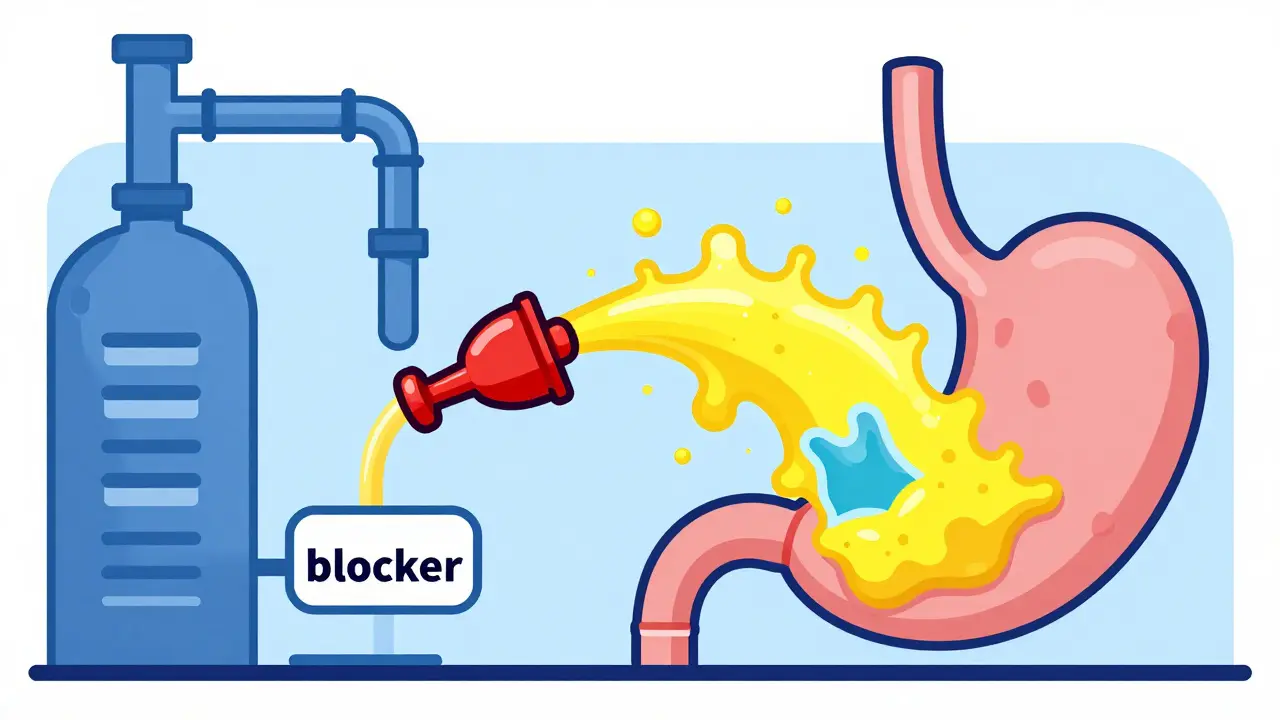
To understand why stopping is hard, you first need to understand what these drugs do. Unlike antacids that neutralize existing acid, or H2 blockers like famotidine that reduce acid production temporarily, PPIs shut down the factory entirely. They target the H+/K+ ATPase enzyme system-the actual "proton pump"-in your stomach lining’s parietal cells. By irreversibly blocking this system, they stop acid from being produced in the first place.
This mechanism is incredibly effective. According to the American College of Gastroenterology (ACG), PPIs heal erosive esophagitis with over 90% efficacy. That is why doctors prescribe them for severe cases of gastroesophageal reflux disease (GERD), peptic ulcers, and to prevent ulcers caused by NSAIDs like ibuprofen. However, because they block the final step of acid production, they require activation in an acidic environment. This is why you must take them 30 to 60 minutes before a meal. If you take them with food, they barely work. Also, unlike Tums, which works in minutes, PPIs take one to four days to reach full therapeutic effect. They are maintenance drugs, not rescue drugs.
The Real Dangers of Long-Term Use
For a long time, PPIs were considered harmless. Then, starting around 2010, the FDA began issuing safety warnings. Now, seven major warnings exist. While media headlines often scream about dementia and heart attacks, the scientific reality is more nuanced. Let’s look at the risks where the evidence is actually strong.
| Risk Factor | Evidence Strength | Key Details |
|---|---|---|
| Bone Fractures | Strong | Increased risk of hip, wrist, and spine fractures. A 2017 study showed a 42% higher hazard ratio for users after 4 years. Risk appears reversible after stopping. |
| Magnesium Deficiency | Moderate | Affects ~0.5-1% of long-term users. Can cause muscle cramps, weakness, and dangerous heart arrhythmias. FDA requires monitoring for users >1 year. |
| Vitamin B12 Deficiency | Moderate | Stomach acid is needed to release B12 from food. Up to 15% of long-term users may become deficient, leading to fatigue and nerve damage. |
| C. Difficile Infection | Strong | 1.7 to 2.0 times higher risk of this severe, recurrent intestinal infection, especially in hospitalized patients. |
| Kidney Disease | Mixed | Linked to acute interstitial nephritis (kidney inflammation). Progression to chronic kidney disease is debated but possible with prolonged use. |
The bone fracture risk is particularly concerning for older adults. Stomach acid helps absorb calcium. Without it, bones weaken over time. The scary part? You won’t feel your bones getting brittle until you break one. Similarly, magnesium deficiency can sneak up on you. Symptoms like leg cramps or palpitations are often dismissed as stress or aging, but they could be side effects of your daily pill.
What about the scary headlines linking PPIs to dementia and Alzheimer’s? Dr. William Ravich, Director of Gastroenterology at Yale Medicine, points out that many of these studies were observational and flawed. They looked at elderly patients who already had other health issues. Higher-quality data has not consistently confirmed a direct causal link between PPIs and cognitive decline. However, the uncertainty alone is reason enough to avoid lifelong use unless absolutely necessary.
Why You Can’t Just Stop Cold Turkey
If you realize you don’t need your PPI anymore, your instinct might be to throw the bottle away. Do not do this. Stopping abruptly after long-term use triggers a phenomenon called rebound acid hypersecretion. Here is what happens: while you were on the drug, your stomach stopped producing acid. Your body, sensing low acid levels, started creating more proton pumps to compensate. When you suddenly remove the blocker, those extra pumps go into overdrive, flooding your stomach with acid.
This occurs in 40% to 80% of patients who quit cold turkey. The result? Heartburn worse than before you ever started treatment. This intense discomfort tricks people into thinking they still need the medication, trapping them in a cycle of dependency. It is not that your underlying condition got worse; it is that your stomach is reacting to the sudden change. This is why structured deprescribing is critical.
How to Safely Discontinue PPIs
Getting off PPIs requires patience and a strategic approach. The goal is to taper slowly so your stomach can adjust its acid production naturally. The American College of Gastroenterology recommends a specific protocol:
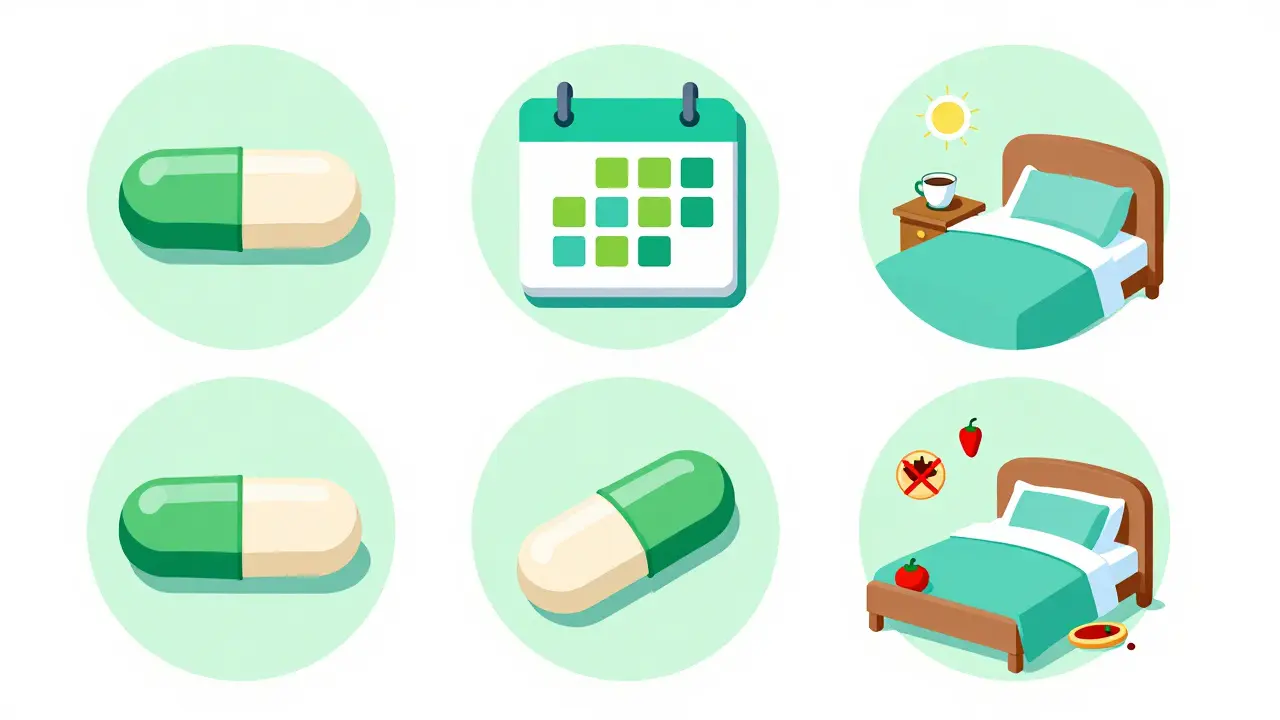
- Reduce the dose: Cut your current dose in half. If you take 40mg, switch to 20mg. Stay at this level for one to two weeks.
- Switch to alternate-day dosing: Take the reduced dose every other day for another two weeks.
- Transition to an H2 Blocker: Instead of going straight to zero, switch to a weaker acid reducer like famotidine (Pepcid). H2 blockers do not cause the same severe rebound effect. Take this for two to four weeks.
- Move to on-demand use: Finally, try using an antacid (like Tums or Maalox) only when symptoms occur. Most people find their symptoms are manageable with lifestyle changes once the rebound phase passes.
During this process, lifestyle modifications become your new medicine. Eat smaller meals. Avoid lying down for three hours after eating. Identify trigger foods-common culprits include spicy foods, caffeine, alcohol, and chocolate. Elevating the head of your bed can also help prevent nighttime reflux. If you follow this tapering plan, studies show that 30% to 50% of long-term users successfully discontinue without symptom recurrence.
When Should You Keep Taking Them?
Not everyone should stop. PPIs are life-saving for certain conditions. If you have severe erosive esophagitis, Barrett’s esophagus (a pre-cancerous condition), or a history of bleeding ulcers, stopping could be dangerous. In these cases, the benefits outweigh the risks. The key is using the lowest effective dose for the shortest duration necessary.
Ask yourself: Why am I taking this? If it was prescribed five years ago for a one-time ulcer, you likely don’t need it now. If you have diagnosed GERD, you should reassess your need every six to twelve months. Talk to your doctor about a "drug holiday." Try stopping under their guidance. If symptoms return severely, you may need long-term therapy. If they are mild, you can manage them with diet and occasional antacids.
The Future of Acid Suppression
Science is moving forward. Newer drugs called Potassium-Competitive Acid Blockers (P-CABs), such as vonoprazan, are entering the market. These drugs bind differently to the proton pump and may offer similar efficacy with fewer long-term risks. However, as of 2026, long-term safety data for P-CABs is still limited. For now, PPIs remain the gold standard for healing, but they are not meant to be permanent fixtures in your medicine cabinet.
Remember, your stomach acid serves a vital purpose. It kills bacteria and helps digest protein. Suppressing it indefinitely turns your digestive system against itself. By understanding the risks and following a smart exit strategy, you can protect your long-term health while still managing your symptoms effectively.
Is it safe to take PPIs every day for years?
Taking PPIs daily for years is generally not recommended unless you have a severe, documented condition like Barrett's esophagus or frequent bleeding ulcers. Long-term use increases the risk of bone fractures, vitamin deficiencies, and kidney issues. Most guidelines suggest using the lowest effective dose for the shortest time possible.
Will my heartburn come back if I stop taking PPIs?
It might, temporarily. This is due to rebound acid hypersecretion, where your stomach produces excess acid after the drug is removed. However, this usually subsides within a few weeks. Using a tapering schedule and switching to H2 blockers can minimize this effect.
Do PPIs cause dementia?
Current high-quality evidence does not confirm a direct causal link between PPIs and dementia. Earlier studies suggested a connection, but they were often flawed by confounding factors. While the risk is not proven, avoiding unnecessary long-term use is still wise.
How long does it take to get off PPIs?
A typical tapering process takes 4 to 8 weeks. This involves gradually reducing the dose, switching to alternate-day use, and then transitioning to weaker medications like H2 blockers or antacids before stopping completely.
Can PPIs damage my kidneys?
Yes, long-term PPI use has been linked to acute interstitial nephritis, a type of kidney inflammation. While progression to chronic kidney disease is debated, the FDA has issued warnings. Regular kidney function tests are recommended for long-term users.