
NSAID Safety: Ibuprofen and Naproxen Over-the-Counter Guidance
 Aug, 6 2026
That bottle of ibuprofen sitting in your bathroom cabinet is probably the first thing you reach for when a headache hits or your back acts up. It’s convenient, cheap, and effective. But here is the catch: these over-the-counter (OTC) painkillers are not harmless sugar pills. They are powerful drugs that carry real risks if you use them carelessly. While naproxen and ibuprofen share the same family-Nonsteroidal Anti-Inflammatory Drugs (NSAIDs)-they work differently in your body and pose different dangers.
Most people take these medications without thinking twice. You pop two tablets, wait twenty minutes, and move on with your day. But what happens if you do this every day for weeks? Or if you have high blood pressure but don’t mention it to anyone? The gap between safe usage and serious health complications is often just a matter of dosage and duration. Understanding how these drugs affect your heart, stomach, and kidneys is essential for staying healthy while managing pain.
How NSAIDs Work in Your Body
To understand why NSAIDs can be risky, you need to know what they actually do inside you. These drugs block enzymes called cyclooxygenase (COX) enzymes. These enzymes produce prostaglandins, chemicals that cause inflammation, pain, and fever. By stopping prostaglandin production, NSAIDs reduce swelling and stop pain signals from reaching your brain.
The problem is that prostaglandins also protect your stomach lining and help regulate blood flow to your kidneys. When you block them systemically, you strip away those protections. This is why ibuprofen and naproxen can cause stomach ulcers and kidney issues even at standard doses. Unlike acetaminophen (paracetamol) which works primarily in the central nervous system, NSAIDs affect the entire body, making their side effects more widespread.
Ibuprofen vs. Naproxen: Key Differences
While both drugs belong to the NSAID class, their pharmacokinetics differ significantly. Ibuprofen has a short half-life of about 1.8 to 2 hours. This means it leaves your system quickly, requiring you to take it every 4 to 6 hours to maintain pain relief. Naproxen sodium, on the other hand, stays in your body much longer, with a half-life of 12 to 17 hours. You typically take naproxen only twice a day.
| Feature | Ibuprofen (Advil/Motrin) | Naproxen (Aleve) |
|---|---|---|
| Dosage per Tablet | 200 mg | 220 mg |
| Maximum Daily Dose (OTC) | 1,200 mg | 660 mg (3 tablets) |
| Dosing Frequency | Every 4-6 hours | Every 8-12 hours |
| Half-Life | 1.8 - 2 hours | 12 - 17 hours |
| Primary Risk Profile | Gastrointestinal bleeding | Cardiovascular risk (lower than others) |
This difference matters for safety. Because ibuprofen clears your system fast, it’s easier to accidentally exceed the daily limit if you’re in severe pain. Naproxen’s longer duration means fewer dosing errors, but its persistence in the body can lead to cumulative toxicity if used too long. A 2015 FDA Arthritis Advisory Committee review found that naproxen generally has a more favorable cardiovascular risk profile compared to other NSAIDs, though it still carries significant warnings.
Understanding Cardiovascular Risks
In October 2020, the FDA issued a strengthened warning stating that all non-aspirin NSAIDs increase the risk of serious cardiovascular thrombotic events, including heart attack and stroke. This risk can appear as early as the first few weeks of treatment and grows with longer use. For most healthy people taking occasional doses, this risk is low. But for those with existing heart conditions, high blood pressure, or a history of clots, the danger is real.
A study published in the British Medical Journal analyzed 635,000 patients and found that high-dose ibuprofen (≥1,500 mg/day) increased heart failure risk by 61%. Naproxen showed a lower increase at 20%, but it was still elevated compared to non-users. If you have established cardiovascular disease, the American Heart Association recommends avoiding NSAIDs entirely unless absolutely necessary. In such cases, doctors usually prescribe the lowest possible dose for the shortest possible time.
Gastrointestinal and Kidney Concerns
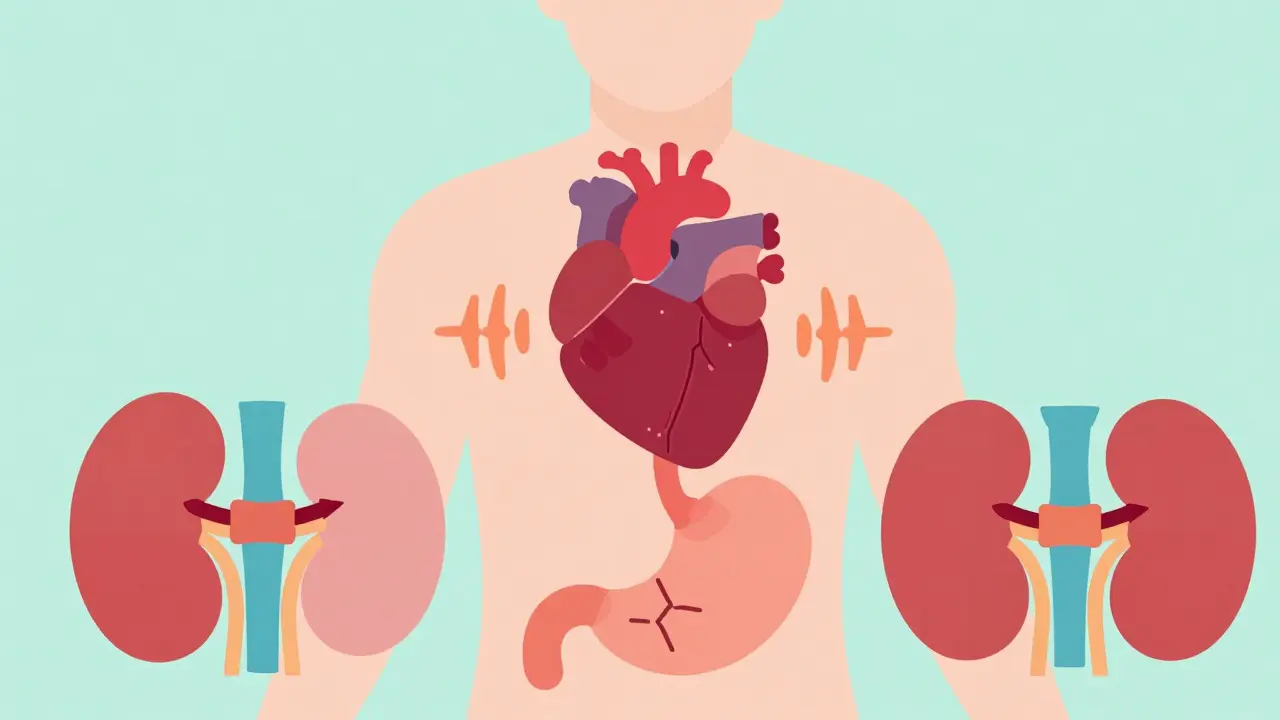
Your stomach takes a beating from regular NSAID use. By inhibiting COX-1 enzymes, these drugs reduce the mucus layer that protects your stomach lining from acid. This can lead to irritation, reflux, and eventually ulcers. Research cited by Mayo Clinic shows that NSAID users face a 2 to 4 times higher risk of developing stomach ulcers compared to non-users. Symptoms like heartburn or stomach ache are common early warning signs.
Kidneys are equally vulnerable. Prostaglandins help keep blood vessels in the kidneys dilated to ensure proper filtration. NSAIDs constrict these vessels, reducing blood flow. In people with underlying kidney disease, dehydration, or older adults, this can trigger acute kidney injury. A case reported in the FDA Adverse Event Reporting System involved a 68-year-old who suffered acute kidney failure after taking maximum OTC naproxen for 14 days. Always stay hydrated and avoid long-term use without medical supervision.
Safe Dosage Guidelines and Limits
Sticking to the label instructions is non-negotiable. Brown Health guidelines specify strict maximum daily limits: 1,200 mg for ibuprofen and 600 mg for naproxen. Exceeding these amounts does not necessarily mean more pain relief; it means exponentially higher side effect risks. Many hospitalizations occur because people double up doses during flare-ups or combine multiple products containing NSAIDs.
Here is a practical checklist for safe usage:
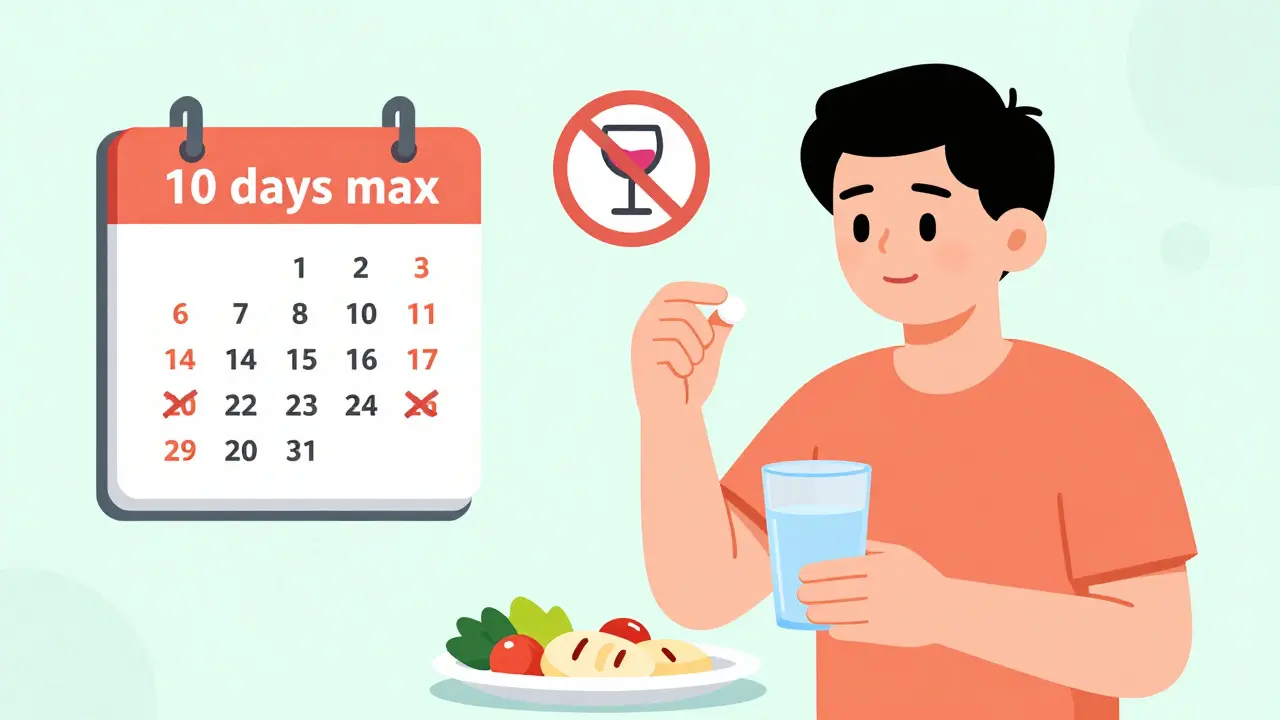
- Take the lowest effective dose for the shortest duration possible.
- Never use OTC NSAIDs for more than 10 consecutive days without consulting a doctor.
- Always take NSAIDs with food or milk to buffer stomach acid.
- Avoid alcohol while using NSAIDs, as it increases bleeding risk.
- Check other medications you take to avoid accidental overdoses.
If you find yourself needing painkillers more than twice a week for chronic pain, it’s time to see a healthcare provider rather than self-medicating indefinitely.
Who Should Avoid NSAIDs?
Certain groups face heightened risks and should exercise extreme caution or avoid NSAIDs altogether. Pregnant women should avoid NSAIDs after 20 weeks of pregnancy due to risks of fetal kidney problems and low amniotic fluid. Older adults over 65 are more susceptible to gastrointestinal bleeding and kidney damage. People with asthma may experience bronchospasm triggered by NSAIDs.
Those taking blood thinners like warfarin or aspirin for heart protection face dangerous interactions. NSAIDs can interfere with aspirin’s antiplatelet action, reducing its ability to prevent heart attacks. Additionally, combining NSAIDs with ACE inhibitors or diuretics for blood pressure control can worsen kidney function and elevate blood pressure further. Always disclose all medications to your pharmacist before starting any new regimen.
Alternatives to Consider
If NSAIDs aren’t right for you, alternatives exist. Acetaminophen is gentler on the stomach and kidneys but lacks anti-inflammatory properties. It is safer for mild pain but carries its own risk of liver damage if you exceed 3,000 mg daily. Topical NSAIDs like diclofenac gel offer localized relief with minimal systemic absorption, reducing overall body exposure. Physical therapy, heat/cold therapy, and lifestyle changes remain the gold standard for chronic pain management according to CDC guidelines.
Can I take ibuprofen and naproxen together?
Generally, no. Taking two NSAIDs simultaneously increases the risk of side effects without providing significantly better pain relief. They compete for the same enzyme targets. If one isn't working, consult a doctor before switching or adding another medication.
Is it safe to take NSAIDs every day?
Daily long-term use requires medical supervision. While some people take them daily under doctor guidance, unsupervised daily use increases risks of ulcers, kidney damage, and cardiovascular events. Limit OTC use to 10 days maximum.
Which is safer for the stomach: ibuprofen or naproxen?
Both carry gastrointestinal risks, but studies suggest naproxen might have a slightly lower risk of major cardiovascular events. However, ibuprofen may cause less immediate gastric irritation at low doses. Individual tolerance varies, so monitor symptoms closely.
Do NSAIDs interact with blood pressure medication?
Yes. NSAIDs can reduce the effectiveness of blood pressure meds like ACE inhibitors and beta-blockers. They also promote fluid retention, which raises blood pressure. Monitor your BP regularly if you must use NSAIDs.
What are the signs of an NSAID overdose?
Signs include severe stomach pain, black or tarry stools (indicating bleeding), vomiting blood, decreased urination, swelling in legs/feet, and confusion. Seek emergency care immediately if these occur.