
Health Literacy and Generics: Making Medication Information Understandable
 Jul, 3 2026
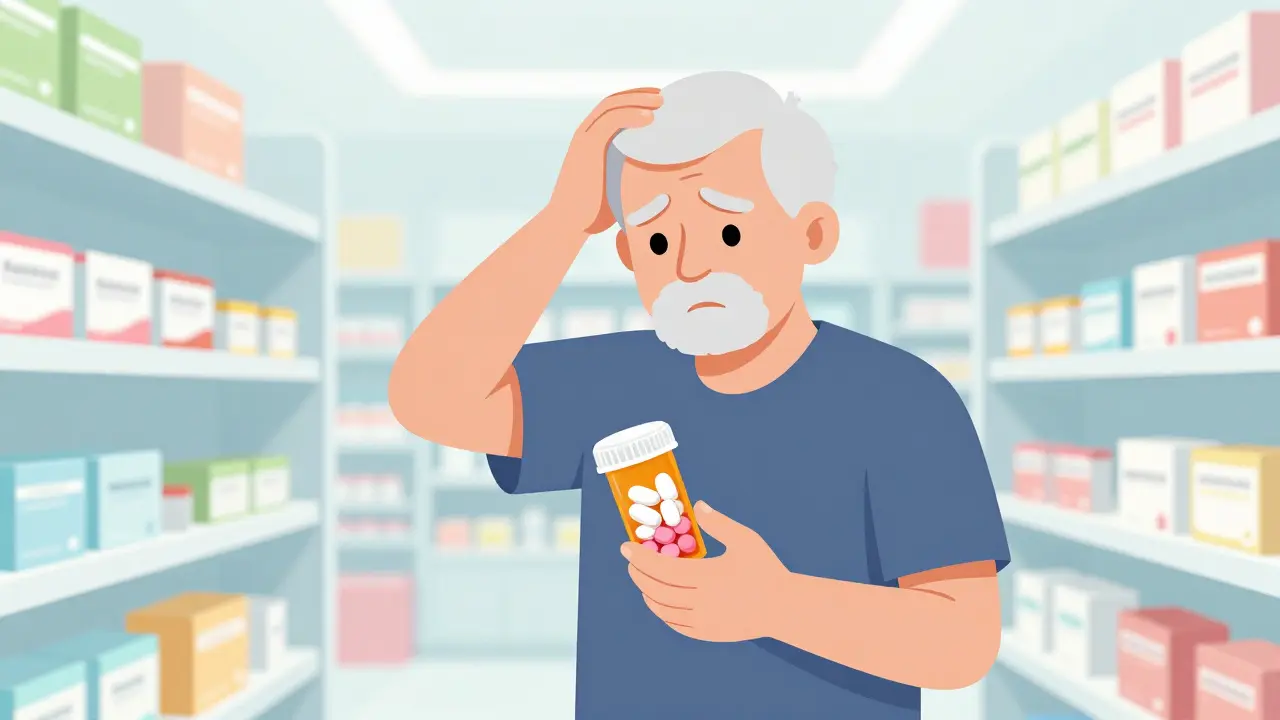
Imagine you have been taking the same white, oval pill for your blood pressure for years. One day, you pick up your prescription, and the bottle contains small, pink round tablets instead. You pause. Is this the right medicine? Did the pharmacist make a mistake? For millions of patients, this visual change triggers anxiety, confusion, and sometimes, dangerous decisions like skipping doses or throwing the pills away.
This scenario highlights a critical gap in healthcare: the intersection of health literacy is the ability to access, understand, appraise, and use health information to make informed decisions. When it comes to generic medications, low health literacy can lead to serious errors. The World Health Organization defines health literacy not just as reading skills, but as the capacity to navigate complex health systems. With generic drugs making up 90% of all prescriptions by volume in the U.S., understanding these medications is no longer optional-it is essential for patient safety.
The Core Problem: Why Generics Confuse Patients
Generic medications contain the same active ingredients as their brand-name counterparts. They are required by law to be therapeutically equivalent. However, they often differ in appearance, inactive ingredients (like dyes or fillers), and packaging. For a patient with high health literacy, this distinction is clear. For someone with limited literacy skills, it creates a barrier to trust and adherence.
Research published in the Journal of General Internal Medicine found that community pharmacists frequently observe patients struggling when different brands of the same medication are issued. A 2016 study revealed that 42% of patients could not correctly identify that generic drugs are therapeutically equivalent to brand-name versions. This lack of understanding is compounded by the fact that 80 million American adults have basic or below-basic health literacy skills. These individuals face specific cognitive barriers: they must process that the 'look' of the drug changes while the 'effect' remains the same, a concept that requires abstract thinking often hindered by low literacy.
| Feature | Brand-Name Medications | Generic Medications |
|---|---|---|
| Appearance Consistency | High (consistent color, shape, size) | Low (varies by manufacturer) |
| Patient Recognition | Easy (often reinforced by advertising) | Difficult (visual discontinuity causes doubt) |
| Trust Levels | Higher (perceived efficacy) | Lower (68% express concern about effectiveness) |
| Cost Impact | Higher cost to patient | Significant cost savings (up to 80-85% cheaper) |
| Error Risk | Lower visual confusion | Higher risk of misdosing due to look-alikes |
The 'generic distrust' phenomenon is particularly pronounced among vulnerable populations. Medicare beneficiaries with below-basic literacy skills are 3.1 times more likely to refuse generic substitution. This refusal isn't just stubbornness; it stems from a genuine fear that the medication has changed. The Institute for Safe Medication Practices documented over 1,200 medication errors related to confusion between different generic versions between 2015 and 2020. These errors represent a significant portion of all reported issues involving generics, highlighting that the problem is systemic, not individual.
Visual Discontinuity and Patient Safety
One of the most tangible challenges is visual discontinuity. Unlike brand-name drugs, which maintain a consistent look, generics can vary wildly between manufacturers. A JAMA Internal Medicine study showed a 23% increase in non-adherence when patients received a visually different generic version. For elderly patients managing multiple medications, this variation is especially problematic. Older adults may rely on visual cues to organize their daily routine. When those cues change, the routine breaks down.
User experiences online reflect this widespread issue. On the PatientsLikeMe forum, a thread titled 'Generic Switch Confusion' garnered hundreds of responses, with many users reporting similar stories. One user with type 2 diabetes shared that when their metformin changed from white ovals to pink rounds, they stopped taking it for three days, fearing it was the wrong drug. This led to an emergency room visit for high blood sugar. Such anecdotes are not isolated incidents; they are symptoms of a broader design failure in how we communicate medication changes to patients.
Dr. Ruth Parker, a professor at Emory University, has described this visual inconsistency as a 'systemic failure in health literacy design.' She argues that it disproportionately impacts vulnerable populations who already struggle with complex health information. The American Medical Association’s 2022 Health Literacy Report identified generic medication confusion as one of the top five medication safety concerns. Fifty-six percent of physicians reported encountering patient confusion about generic substitutions during clinical encounters. This statistic underscores that the burden of explanation falls heavily on healthcare providers, who often have limited time to address these concerns adequately.
Bridging the Gap: Practical Strategies for Providers
Improving health literacy around generics requires actionable strategies from both healthcare organizations and individual providers. The goal is to shift from assuming understanding to verifying it. Here are evidence-based approaches that have shown success:
- Implement the 'Ask Me 3' Program: Developed by the Partnership for Clear Health Communication, this initiative trains providers to ask three critical questions before discharge or consultation. One key question focuses on whether the patient understands the difference between brand and generic versions. Hospitals using this program saw a 31% reduction in medication errors related to generic substitutions.
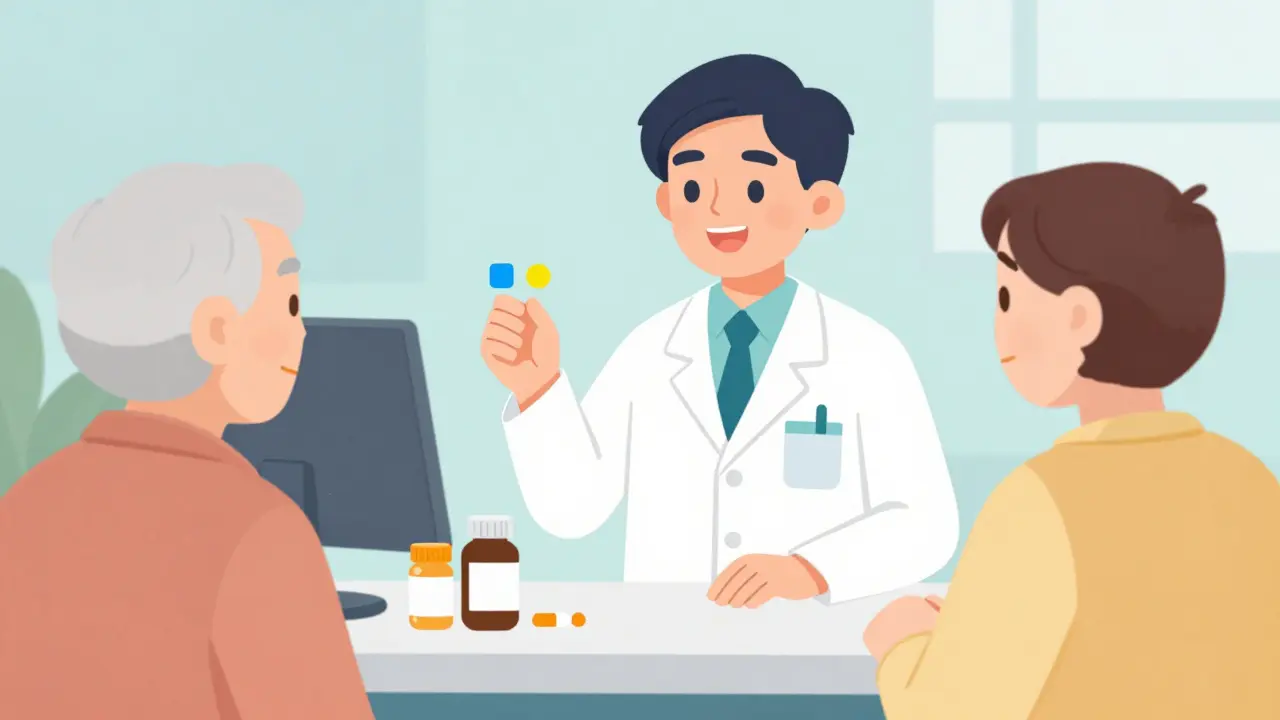
- Conduct Brown Bag Medication Reviews: Encourage patients to bring all their medications to appointments in a brown bag. This allows pharmacists and doctors to physically compare pills, discuss any changes in appearance, and reinforce that the new-looking pill is the same treatment. This technique reduced medication discrepancies by 44% in a Johns Hopkins study.
- Use Plain Language Labeling: Avoid medical jargon. Instead of saying 'therapeutically equivalent,' say 'works the same way in your body.' The FDA’s compliance reviews show that only 37% of generic drug manufacturers currently incorporate plain language principles. Providers can bridge this gap by providing simple, written summaries alongside standard labels.
- Leverage Digital Tools: Apps like Medisafe, used by millions of patients, include visual medication recognition features. These tools help patients identify their pills by image rather than text alone, improving generic medication understanding by 37% in randomized trials.
The CDC’s Universal Precautions for Health Literacy approach, now implemented in most Federally Qualified Health Centers, includes specific protocols for explaining generic substitutions. By treating every interaction as if the patient has low literacy, providers create a safer environment for everyone. This proactive stance reduced patient confusion by 52% in multi-site evaluations.
The Role of Technology and Policy
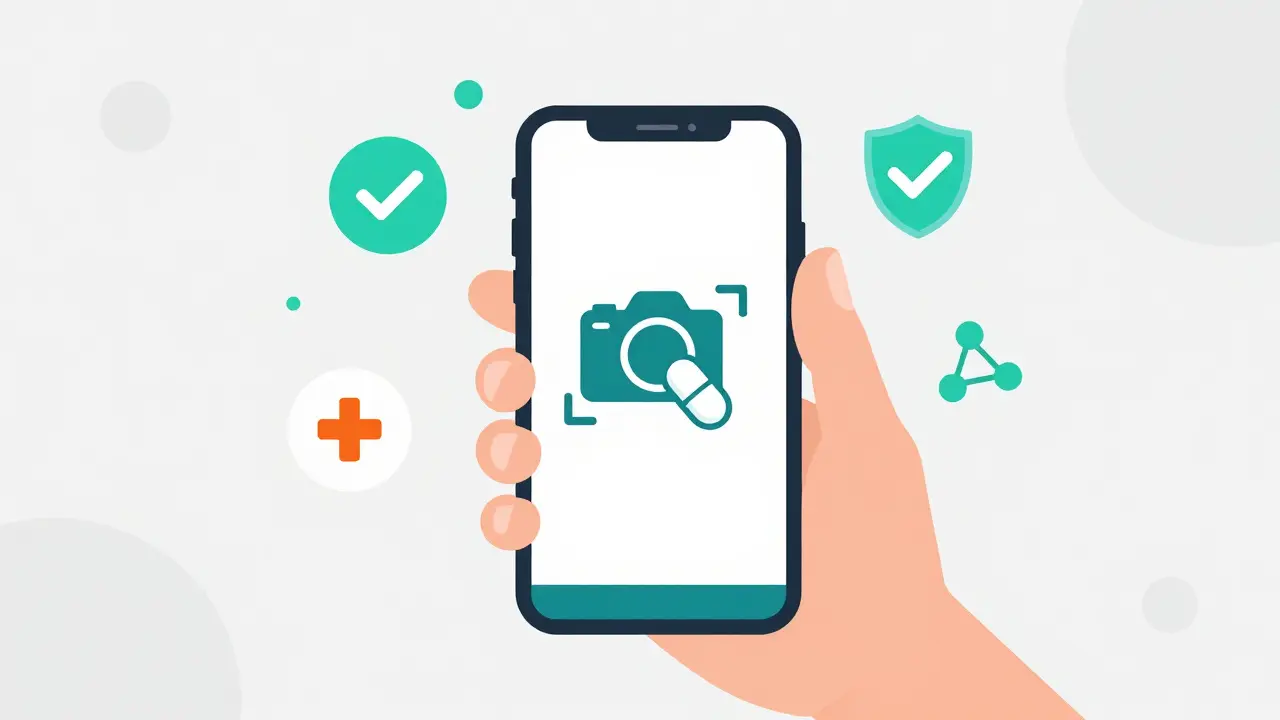
Technology offers promising solutions to longstanding literacy barriers. AI-powered medication recognition tools, as demonstrated in a 2023 New England Journal of Medicine study, improved generic medication understanding by 63% among patients with low health literacy. These apps allow users to take a photo of their pill and receive instant verification, reducing reliance on memory or reading skills.
Policy changes are also underway. The FDA’s 2023 draft guidance proposes standardized color-coding for therapeutic classes, building on successful models in Australia that reduced errors by 33%. The Biden administration’s National Action Plan to Improve Health Literacy sets targets to reduce confusion-related errors by 25% by 2027. Internationally, the WHO’s Global Health Literacy Action Plan prioritizes generic medication standardization, with pilot programs in 15 countries showing a 41% improvement in correct medication use when visual consistency is maintained.
The economic argument for addressing this issue is strong. A 2022 IQVIA report found that pharmaceutical companies investing in health literacy initiatives for generics saw 18% higher medication adherence rates and saved $1,247 annually per patient in healthcare costs. This demonstrates that clarity is not just a safety issue but also a financial imperative for the healthcare system.
Empowering Patients: What You Can Do
If you or a loved one takes generic medications, there are steps you can take to ensure safety and understanding. First, never assume a change in appearance means a change in effectiveness. Always check with your pharmacist if a pill looks different. Second, keep a current list of your medications, including the name, dose, and what the pill looks like. Update this list whenever you get a new prescription or refill.
Third, use technology to your advantage. Download a medication management app that allows you to store images of your pills. This creates a visual reference that doesn’t rely on reading small print. Finally, advocate for yourself. Ask your doctor or pharmacist to explain why a generic was chosen and confirm that it is the same as your previous medication. Remember, asking questions is a sign of engagement, not ignorance. Your health depends on clear communication.
Are generic medications less effective than brand-name drugs?
No, generic medications are required by the FDA to be therapeutically equivalent to brand-name drugs. They contain the same active ingredients, strength, dosage form, and route of administration. While inactive ingredients like colors or flavors may differ, the medical effect on the body is the same. Studies consistently show that generics perform identically to brand-name versions in clinical outcomes.
Why do my generic pills look different every time I refill them?
Generic medications can be manufactured by different companies. Each manufacturer may use different dyes, shapes, or sizes for their pills. Pharmacies often switch suppliers based on cost or availability, leading to changes in appearance. This is known as visual discontinuity and is a common source of confusion for patients with low health literacy.
What should I do if I don't recognize my medication?
Do not throw the medication away or stop taking it without consulting a professional. Contact your pharmacist immediately. They can verify if the new-looking pill is the correct generic substitute. If you are unsure, bring the old and new bottles to the pharmacy for comparison. Using a medication identification app can also help confirm the drug's identity.
How does health literacy affect medication safety?
Low health literacy increases the risk of medication errors, such as misdosing or refusing necessary treatments. Patients with limited literacy skills may struggle to understand instructions, recognize visual changes in generics, or interpret side effects. This can lead to poor adherence, worsened health conditions, and increased hospital visits. Improving health literacy through clear communication and plain language reduces these risks significantly.
Can I request the same brand of generic medication every time?
In some cases, yes. You can ask your doctor to specify 'Dispense as Written' or request a specific manufacturer from your pharmacist. However, insurance plans may not cover the preferred brand if a cheaper alternative is available. Discussing this with your provider and insurer can help determine if maintaining visual consistency is medically necessary for your situation.