
Ginkgo Biloba and Blood Thinners: What You Need to Know About Bleeding Risk
 Dec, 26 2025
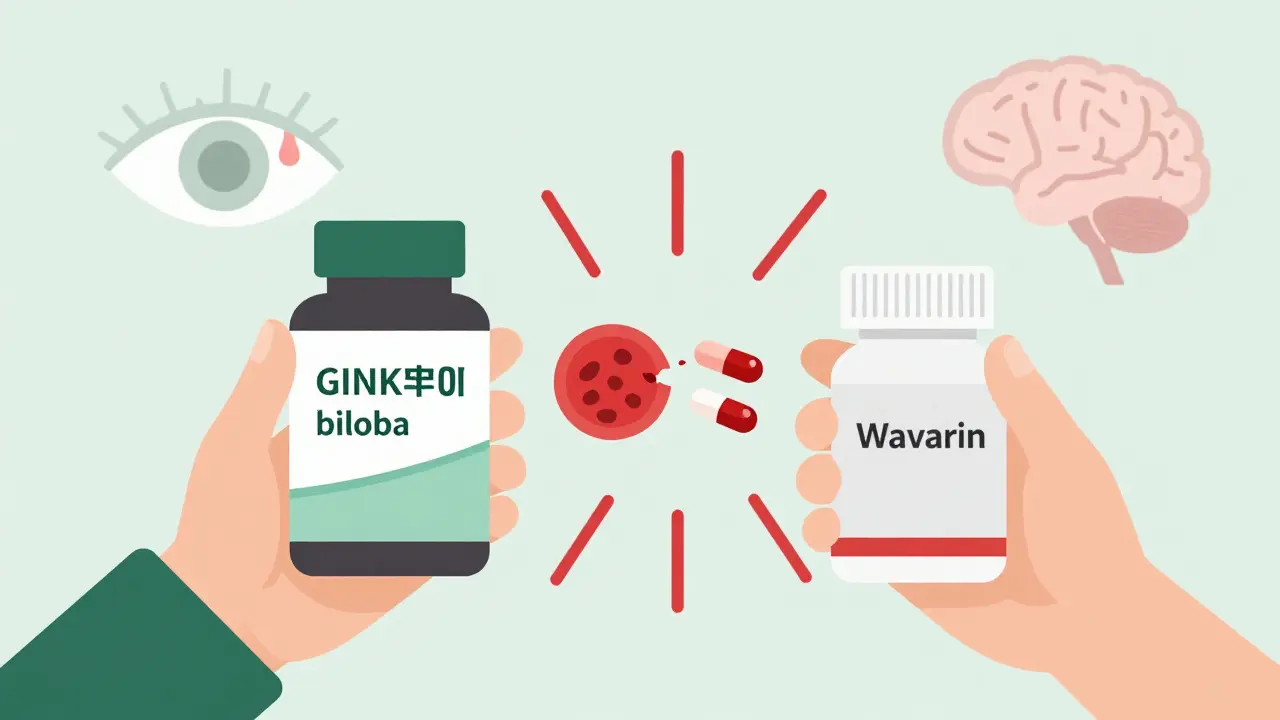
Every year, over 1.5 million Americans take Ginkgo biloba hoping to boost memory or improve circulation. But if you’re also on blood thinners-whether it’s aspirin, warfarin, or clopidogrel-you could be putting yourself at serious risk. The supplement might seem harmless, even natural, but it doesn’t play nice with medications that stop your blood from clotting. And the danger isn’t theoretical. People have bled internally after combining the two-even without any injury.
Why Ginkgo Biloba Can Cause Bleeding
Ginkgo biloba comes from the leaves of an ancient tree native to China. It’s sold as capsules, tablets, or teas, often labeled as a brain booster. But its real biological effect? It interferes with platelets-the tiny cells in your blood that clump together to stop bleeding. Standard extracts like EGb 761 contain 24% flavonoid glycosides and 6% terpene lactones. These compounds reduce platelet aggregation. That sounds good if you’re trying to prevent clots, but if you’re already on a blood thinner, it’s like stepping on the gas and the brake at the same time. Your blood thins too much. Case reports confirm this. One man developed spontaneous bleeding in his right eye after just one week of taking Ginkgo biloba with low-dose aspirin. Another woman suffered a brain hemorrhage after long-term use, even without any other blood-thinning meds. These aren’t rare anomalies. They’re red flags.Which Blood Thinners Are Dangerous with Ginkgo?
Not all blood thinners carry the same risk, but several have well-documented interactions:- Warfarin (Coumadin, Jantoven): Ginkgo can raise your INR levels-meaning your blood takes longer to clot. This increases bleeding risk during surgery, falls, or even minor cuts.
- Clopidogrel (Plavix): Used after heart stents or strokes, this drug stops platelets from sticking. Ginkgo does the same thing. Together, they can cause uncontrolled bleeding.
- Aspirin (80-325 mg): Even low-dose aspirin, taken daily for heart health, becomes riskier with Ginkgo. The PLOS ONE study found this combo had the strongest link to abnormal coagulation.
- NSAIDs like ibuprofen or naproxen: These reduce inflammation but also thin blood. Add Ginkgo, and you’re stacking three anti-clotting effects.
- Ticagrelor, etoricoxib, nifedipine: These less common drugs also showed increased bleeding risk in studies when taken with Ginkgo.
What the Science Really Says
You’ll find conflicting reports. One study in PLOS ONE (2023) found a clear statistical link between Ginkgo and bleeding (odds ratio 1.08) and abnormal coagulation tests (odds ratio 1.49). Another trial, however, tested EGb 761 on 29 different clotting markers-and found no significant effect. So which is right? The truth is, both can be true. Controlled lab tests don’t always reflect real-world use. People take Ginkgo with multiple drugs, at varying doses, and over years. That’s where the danger builds. The NIH study (2024) confirmed that while Ginkgo alone may not always show up in blood tests, it *does* increase bleeding risk when combined with other medications. The interaction isn’t always obvious until it’s too late. Also, Ginkgo doesn’t just affect clotting. It can reduce the effectiveness of antidepressants like fluoxetine and interfere with blood pressure meds like phenylephrine (found in many cold remedies). It may even lower seizure thresholds in people taking anticonvulsants.
Who Should Avoid Ginkgo Biloba Completely?
Some people shouldn’t even consider taking it:- People on anticoagulants or antiplatelets: This includes anyone prescribed warfarin, clopidogrel, apixaban, rivaroxaban, or daily aspirin.
- Those with bleeding disorders: Like hemophilia or von Willebrand disease.
- Older adults: Blood vessels become more fragile with age. Ginkgo increases the chance of internal bleeding, especially in the brain or digestive tract.
- Pregnant or breastfeeding women: No safety data exists. The risk isn’t worth it.
- Anyone scheduled for surgery: Even minor procedures like dental work or colonoscopies can turn dangerous.
What About Over-the-Counter and Herbal Products?
Here’s the scary part: supplements aren’t regulated like drugs. The FDA doesn’t test Ginkgo biloba products for purity, strength, or interaction risks before they hit shelves. One bottle might have 120 mg of active extract. Another might have 200 mg-or none at all. A 2023 report from the National Center for Complementary and Integrative Health found that up to 20% of herbal supplements contain unlisted ingredients or contaminants. That means you could be taking more Ginkgo than you think-or something else entirely. Also, avoid Ginkgo seeds. They’re toxic. Roasted or raw, they’ve caused seizures, vomiting, and even death in children. Stick to standardized leaf extracts-only if you’re sure they won’t interact with your meds.What Should You Do?
If you’re taking any blood thinner, here’s your action plan:- Stop taking Ginkgo biloba-immediately. Don’t wait for symptoms.
- Talk to your doctor or pharmacist. Bring your full list of supplements, even if you think they’re harmless. Many doctors don’t ask about herbs unless you bring it up.
- Don’t replace prescribed meds with supplements. Ginkgo isn’t a substitute for aspirin or warfarin. It’s a risk.
- Check labels on all products. Ginkgo is in some memory formulas, energy drinks, and even cosmetics. Read the fine print.
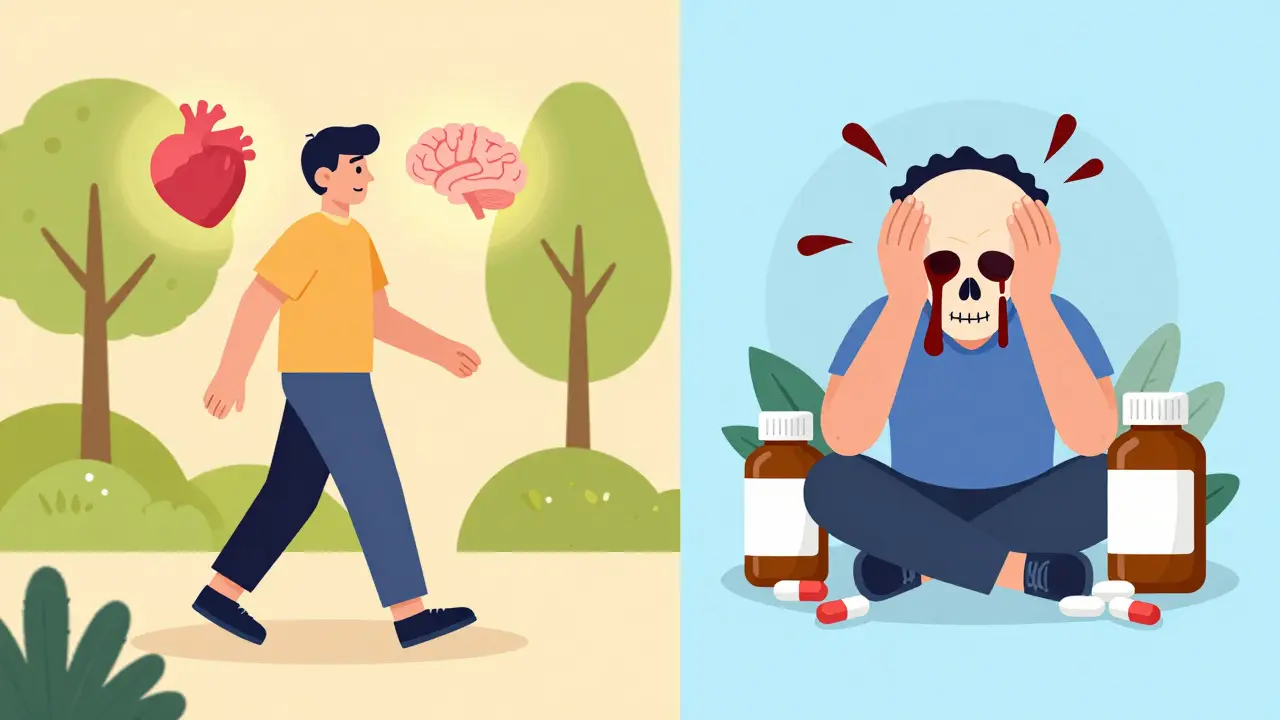
- If you’ve been taking it and now have bruising, nosebleeds, blood in urine or stool, or sudden headaches-seek help. These could be signs of internal bleeding.
Is There a Safe Dose?
The standard dose is 120-240 mg per day. But safety isn’t about dose-it’s about combination. Even 60 mg of Ginkgo can be risky if you’re on warfarin. There’s no safe threshold when you’re mixing it with anticoagulants. The NIH study (2024) found that higher doses didn’t necessarily cause more bleeding-but they did make coagulation tests more abnormal. That’s a warning sign. Your body is struggling to balance clotting. It’s not a sign of health.What Are the Alternatives?
If you’re taking Ginkgo for memory or circulation, ask your doctor about safer options:- Exercise: Walking 30 minutes a day improves blood flow and cognitive function better than any supplement.
- Omega-3s: Fish oil has mild anti-inflammatory effects and is less likely to interfere with blood thinners.
- Medication review: Sometimes memory issues are tied to high blood pressure, sleep apnea, or depression-not a lack of Ginkgo.
Final Word
Natural doesn’t mean safe. Just because Ginkgo biloba comes from a tree doesn’t mean it’s harmless. When mixed with blood thinners, it can turn a simple fall into a life-threatening event. Or cause a brain bleed with no warning. If you’re on any blood-thinning medication-prescription or over-the-counter-skip Ginkgo biloba. Period. The risk isn’t worth the unproven benefit. Talk to your doctor before starting anything new. And if you’re already taking it, stop. Your blood will thank you.Can I take Ginkgo biloba if I’m on low-dose aspirin?
No. Even low-dose aspirin (80 mg) combined with Ginkgo biloba significantly increases bleeding risk. Case reports show spontaneous bleeding in the eye and brain after using both. The interaction is real, even at low doses. Stop Ginkgo if you’re on aspirin.
How long before surgery should I stop Ginkgo biloba?
The American Society of Anesthesiologists recommends stopping Ginkgo biloba 2 to 3 weeks before any surgery. Some studies suggest 36 hours may be enough, but that’s not enough of a safety margin. Surgery can involve unexpected bleeding-don’t risk it. Give your body time to clear the supplement completely.
Does Ginkgo biloba thin blood like warfarin?
It doesn’t work the same way, but the result is similar. Warfarin affects clotting factors in the liver. Ginkgo blocks platelets from sticking together. Both make your blood less able to clot. When used together, they multiply the risk of bleeding. It’s not about how they work-it’s about the outcome: thinner blood, higher risk.
Can I take Ginkgo biloba with clopidogrel (Plavix)?
No. Clopidogrel is designed to prevent platelets from clumping-exactly what Ginkgo does. Combining them can lead to serious bleeding, including gastrointestinal or brain hemorrhages. Studies show this combo increases abnormal coagulation test results. Avoid it entirely.
Are there any supplements that are safe to take with blood thinners?
Very few. Omega-3 fatty acids from fish oil are generally considered low-risk in moderate doses. Vitamin K-rich foods (like leafy greens) are fine if you’re on warfarin-as long as you keep your intake consistent. But avoid garlic, ginger, ginseng, and green tea extract-all can interfere with clotting. Always check with your doctor before starting any new supplement.
What should I do if I’ve been taking Ginkgo and now have bruising or nosebleeds?
Stop taking Ginkgo immediately. Contact your doctor or go to urgent care. Bruising easily, frequent nosebleeds, blood in urine or stool, or sudden headaches could signal internal bleeding. Don’t wait. These symptoms need medical evaluation right away.
Is Ginkgo biloba regulated by the FDA?
No. The FDA treats herbal supplements like food, not drugs. Manufacturers don’t have to prove safety or effectiveness before selling. That means quality varies wildly. One bottle might have the right dose; another might be contaminated or contain no Ginkgo at all. You can’t trust labels.
Jane Lucas
December 27, 2025 AT 10:14dean du plessis
December 27, 2025 AT 13:04Caitlin Foster
December 29, 2025 AT 10:58Kylie Robson
December 30, 2025 AT 22:33Will Neitzer
January 1, 2026 AT 06:40Todd Scott
January 3, 2026 AT 05:28Janice Holmes
January 3, 2026 AT 16:10Elizabeth Alvarez
January 4, 2026 AT 00:48Miriam Piro
January 4, 2026 AT 19:45Andrew Gurung
January 5, 2026 AT 07:06Paula Alencar
January 6, 2026 AT 03:05Nikki Thames
January 6, 2026 AT 07:23Chris Garcia
January 7, 2026 AT 17:37James Bowers
January 8, 2026 AT 13:53Michael Bond
January 9, 2026 AT 14:22