
Facial Flushing from Medications: Common Triggers and How to Find Relief
 Jan, 1 2026
Medication Flush Relief Calculator
Find out which relief strategies will work best for your specific medication-induced facial flushing. This tool uses information from the article to recommend evidence-based solutions.
Why Your Face Turns Red After Taking Medicine
Ever taken a pill and suddenly felt your face burn up, turn bright red, and get warm to the touch? You’re not alone. Facial flushing from medications is one of the most common - and often misunderstood - side effects out there. It’s not an allergy. It’s not embarrassment. It’s your blood vessels opening up wide, letting more blood flow to your skin. And while it might feel alarming, it’s usually harmless. But that doesn’t make it any less annoying.
Some people get it after taking blood pressure meds. Others notice it after popping a niacin pill for cholesterol. Some even see it after an antibiotic drip or painkiller. The redness can last minutes or hours. Sometimes it’s mild. Other times, it’s so intense it makes people stop taking their medicine altogether.
Which Medications Cause Facial Flushing?
Not all drugs cause flushing - but many do. Here are the most common culprits, grouped by type:
- Cardiovascular drugs: Diltiazem, nifedipine, amlodipine, and hydralazine are all designed to relax blood vessels. That’s good for your heart - but it also means your face gets more blood flow. Minoxidil, used for severe high blood pressure, is especially notorious for flushing.
- Niacin (vitamin B3): This one’s a big one. People take niacin to lower triglycerides and raise HDL (“good” cholesterol). But up to 80% of users get a strong flush - red, hot, itchy skin across the face and chest. It’s so common, doctors call it the “niacin flush.” Aspirin can help a little, but only cuts it by about 30%.
- Opioids: Morphine, oxycodone, and other painkillers trigger histamine release. That’s what causes the redness, sometimes with itching or a rash. It’s not an allergy, but it feels like one.
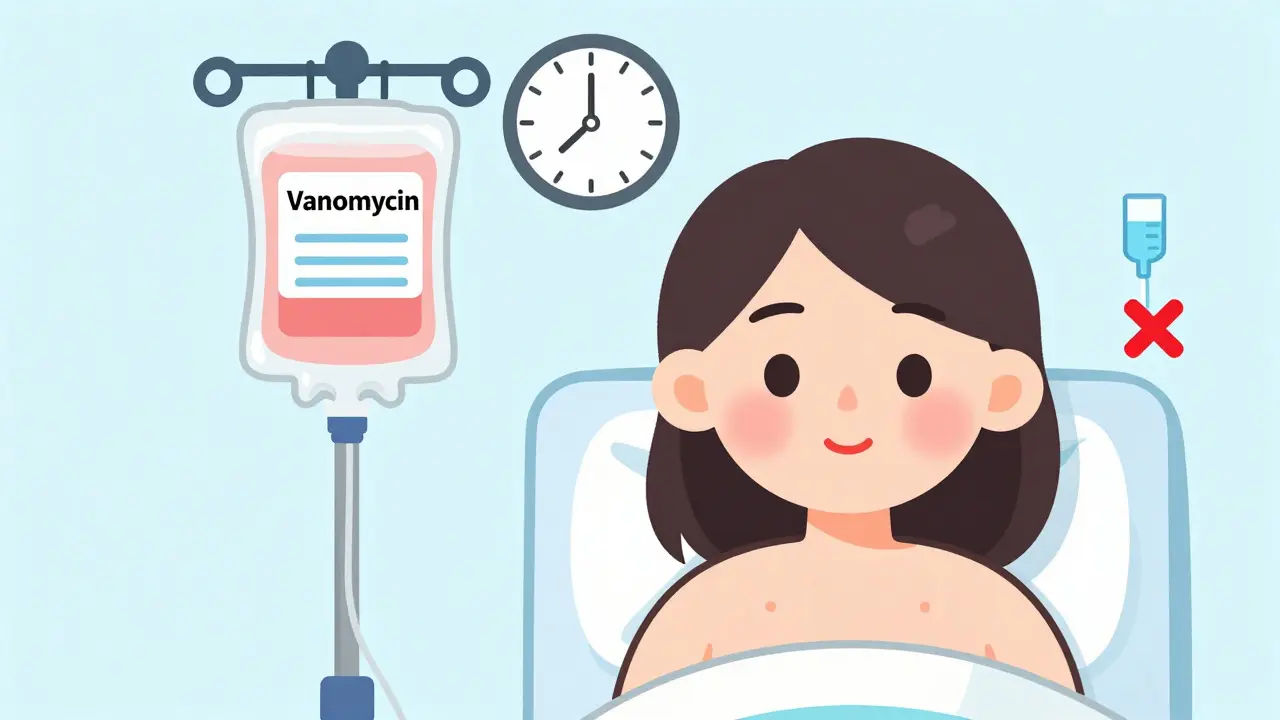
- Antibiotics: Vancomycin can cause “red man syndrome” - a red rash on the face, neck, and chest. It’s tied to how fast the drug is infused. Slowing the drip helps. Rifampin, used for TB, also causes flushing.
- Cancer treatments: Tamoxifen, doxorubicin, and hormone therapies like leuprorelin or goserelin often cause flushing as a side effect. For women on tamoxifen, it can feel like hot flashes.
- ED and pulmonary hypertension drugs: Sildenafil (Viagra, Revatio) dilates blood vessels everywhere - including your face. Flushing is one of the most frequent complaints.
- Immunosuppressants: Cyclosporine and corticosteroids like prednisone can trigger flushing through complex immune and vascular pathways.
Why Does This Happen?
It’s not random. Flushing happens because these drugs mess with your body’s control system for blood vessels. Some directly open up arteries and capillaries in your skin. Others trigger chemicals like prostaglandins, histamine, or nitric oxide that signal blood vessels to relax.
For example:
- Niacin activates a receptor called GPR109A, which releases prostaglandins - these cause the flush.
- Vancomycin triggers mast cells to dump histamine into your bloodstream.
- Calcium channel blockers stop calcium from entering smooth muscle cells in your blood vessels, making them relax.
Your genetics matter too. People of East Asian descent often have a genetic variation that slows alcohol breakdown. If they take certain meds - like metronidazole or chlorpropamide - alcohol can cause a severe flush. That’s because acetaldehyde builds up, triggering dilation.
How to Relieve Flushing - Without Stopping Your Medicine
Stopping your medication isn’t always safe. So what can you do?
1. Take Aspirin or NSAIDs Beforehand
For niacin flush, taking 325 mg of aspirin 30 minutes before your dose can reduce the intensity. Same goes for indomethacin. It doesn’t stop it completely - but it takes the edge off. Don’t use this for opioid flushing; it won’t help.
2. Use Antihistamines for Histamine-Related Flushing
If your flush comes with itching or rash (like with morphine or vancomycin), an H1 blocker like cetirizine (Zyrtec) or diphenhydramine (Benadryl) can help. H2 blockers like famotidine (Pepcid) may add extra benefit. These don’t work for all types - just histamine-driven cases.
3. Slow Down the Dose or Switch Formulations
With niacin, try extended-release versions. They release the drug slowly, so the flush is less intense. For vancomycin, hospitals now give it over at least 60 minutes - not 10. That cuts red man syndrome by over 90%.
4. Avoid Triggers That Make It Worse
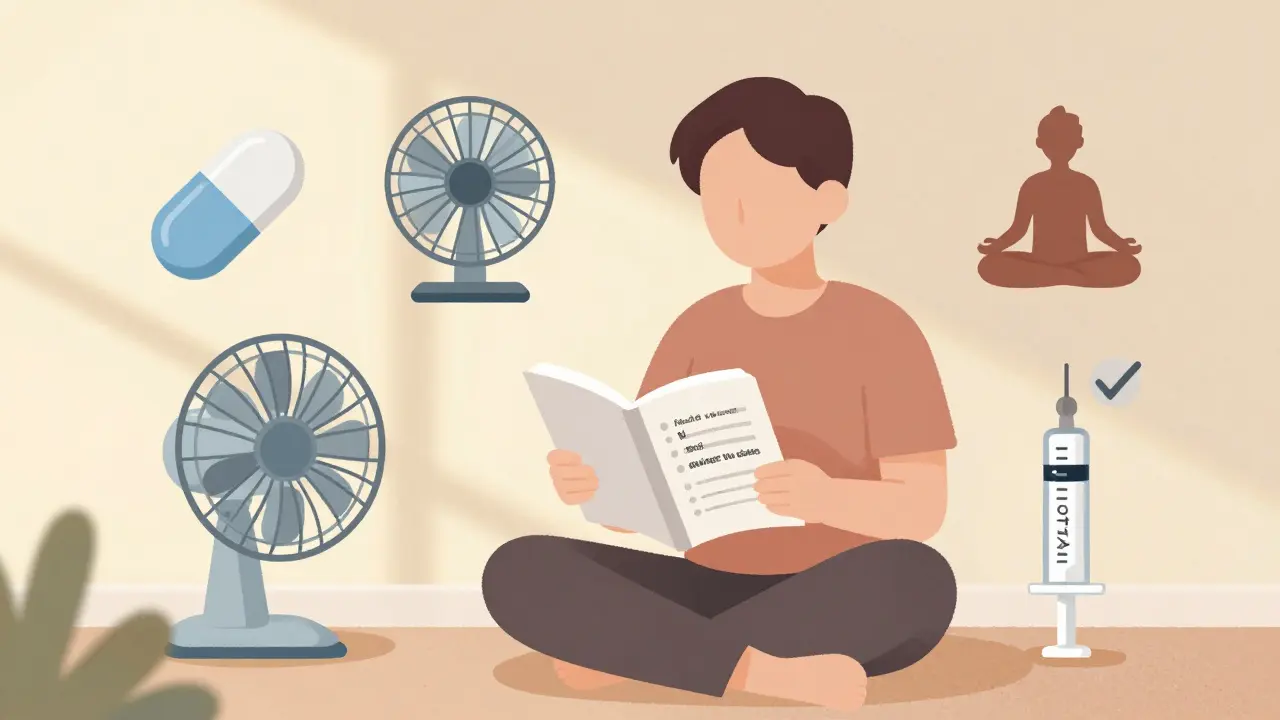
Hot showers, spicy food, alcohol, caffeine, and sun exposure can all make flushing worse. If you’re on a flushing drug, skip the hot sauce, wine, and sauna. Even stress can trigger it. Try breathing exercises or mindfulness if you notice emotional triggers.
5. Consider Clonidine or Beta-Blockers
Clonidine, usually used for high blood pressure, can reduce flushing by calming the nervous system’s signal to widen blood vessels. Beta-blockers like propranolol or nadolol can help too - especially if anxiety plays a role. These aren’t first-line, but they’re options when other methods fail.
When to See a Doctor
Most flushing is harmless. But if you notice any of these, call your provider:
- Flushing accompanied by trouble breathing, swelling of the lips or tongue, or dizziness - this could be an allergic reaction.
- Flushing with fever, chills, or low blood pressure - especially after antibiotics.
- Flushing that gets worse over time or spreads to your whole body.
- Flushing that starts after you begin a new supplement or OTC drug.
Long-Term Solutions: Beyond Pills
If flushing is ruining your quality of life, there are other tools:
- Botox injections: Tiny doses injected into the face can block nerve signals that cause flushing. Effects last 4-6 months. Used mostly for severe, treatment-resistant cases.
- Laser therapy: Vascular lasers target tiny red blood vessels near the skin’s surface. Good for chronic redness, especially if you have rosacea along with the flushing. Results last months to years, but multiple sessions are needed.
- Behavioral therapy: If anxiety or stress triggers your flush, cognitive behavioral therapy (CBT) or biofeedback can help retrain your body’s response.
What Not to Do
Don’t assume flushing means you’re allergic. Most of the time, it’s not. Stopping your medicine without talking to your doctor can be dangerous - especially if you’re on blood pressure or cancer drugs.
Don’t take random supplements to “block” the flush. Some herbal products can interact badly with your meds. Stick to proven options like aspirin or antihistamines under medical guidance.
Bottom Line: You Can Manage This
Facial flushing from medication is common, often predictable, and rarely dangerous. But it’s also deeply uncomfortable - and it’s one reason people quit life-saving treatments. The good news? You don’t have to suffer through it.
Start by identifying your trigger. Talk to your doctor about your specific drug and symptoms. Try simple fixes first: take aspirin before niacin, avoid alcohol and heat, slow down infusions. If that doesn’t help, ask about clonidine, beta-blockers, or even Botox. Most people find relief with the right mix of timing, triggers, and tools.
Frequently Asked Questions
Is facial flushing from medication dangerous?
In most cases, no. Flushing is usually a harmless side effect caused by blood vessels opening up. But if it’s paired with swelling, trouble breathing, dizziness, or low blood pressure, it could signal a serious reaction. Seek medical help immediately if you have those symptoms.
Can I take aspirin to stop niacin flush?
Yes. Taking 325 mg of aspirin 30 minutes before your niacin dose can reduce flushing by about 30%. It works by blocking prostaglandins, the chemicals that cause the redness. Extended-release niacin and taking it with food also help. But don’t rely on aspirin alone - combine it with other strategies like avoiding alcohol and heat.
Why does my face flush after taking Viagra?
Sildenafil (Viagra) works by relaxing smooth muscle in blood vessels to increase blood flow - that’s how it helps with erections. But it doesn’t just target the penis. It affects blood vessels all over your body, including your face. That’s why flushing is one of the most common side effects, affecting up to 10-15% of users. It’s not an allergy - it’s just how the drug works.
Can stress make medication-induced flushing worse?
Yes. Stress activates your sympathetic nervous system, which can amplify blood vessel dilation. If you’re already on a drug that causes flushing, stress can make it stronger and longer-lasting. Managing stress through breathing, meditation, or therapy can reduce both the frequency and intensity of episodes.
Will Botox stop facial flushing permanently?
No. Botox blocks the nerve signals that cause blood vessels to widen in the face. It can reduce flushing for 4 to 6 months, but the effects wear off. You’ll need repeat injections to maintain results. It’s typically used only for severe, treatment-resistant cases where other methods have failed.
Should I stop my medication if I get facial flushing?
Don’t stop without talking to your doctor. Many flushing-causing drugs - like blood pressure pills, cholesterol meds, or cancer treatments - are essential for your health. Instead, work with your provider to adjust the dose, timing, or add relief strategies. Most people can keep taking their meds safely with the right approach.
What to Do Next
Write down when your flushing happens - after which drug, how long it lasts, what makes it better or worse. Bring this to your next appointment. Ask: “Is this flush expected? Can we adjust the dose or timing? Are there alternatives?”
Most people find relief with small changes. You don’t have to live with red, burning cheeks. There’s a plan - you just need to build it with your doctor.
Matthew Hekmatniaz
January 3, 2026 AT 07:57Biggest tip? Take it with food. Makes a world of difference.
Liam George
January 4, 2026 AT 02:04Try cold-pressed flaxseed oil instead. Natural. Unpatented. Uncontrollable by Big Pharma.
sharad vyas
January 5, 2026 AT 05:25Maybe it’s not just medicine. Maybe it’s also a sign you’re doing something right for your body.
Dusty Weeks
January 5, 2026 AT 18:05Sally Denham-Vaughan
January 6, 2026 AT 16:05Also, if you’re on niacin, get the extended release. Game changer.
Bill Medley
January 8, 2026 AT 03:03Richard Thomas
January 10, 2026 AT 02:49When I take my statin, I watch the red spread across my cheeks and think: this is the cost of living longer. And honestly? I’m okay with that price. It’s not a flaw. It’s a signature.
Paul Ong
January 11, 2026 AT 01:54Try taking it at night if you can
And yes the niacin flush is brutal but you get used to it
Its like your body saying hey i know this sucks but im trying to save your heart
Andy Heinlein
January 11, 2026 AT 20:45Also low key Botox sounds wild but I’d try it if my doc said it was safe. My face gets so hot I can’t even wear makeup anymore 😅
Austin Mac-Anabraba
January 13, 2026 AT 05:50And Botox? That’s not a solution - it’s chemical suppression. You’re silencing the signal, not fixing the cause. The real question is: why are we prescribing drugs that force our bodies into chronic vasodilation in the first place?
LIZETH DE PACHECO
January 15, 2026 AT 02:46You’re not broken. You’re just adapting. And you’re not alone. I’ve met so many women who feel the same. Keep talking. Keep asking. You’ve got this.