
Authorized Generics Explained: The Safest Switch from Brand-Name Drugs
 Jul, 14 2026
Have you ever picked up a prescription and noticed the pill looks different? Maybe it’s a different color or shape than what your doctor originally prescribed. If you’ve been loyal to a specific brand-name drug for years, that change can feel unsettling. You might wonder if the new version will work as well. This is where authorized generics come into play. They offer a middle ground that many patients overlook.
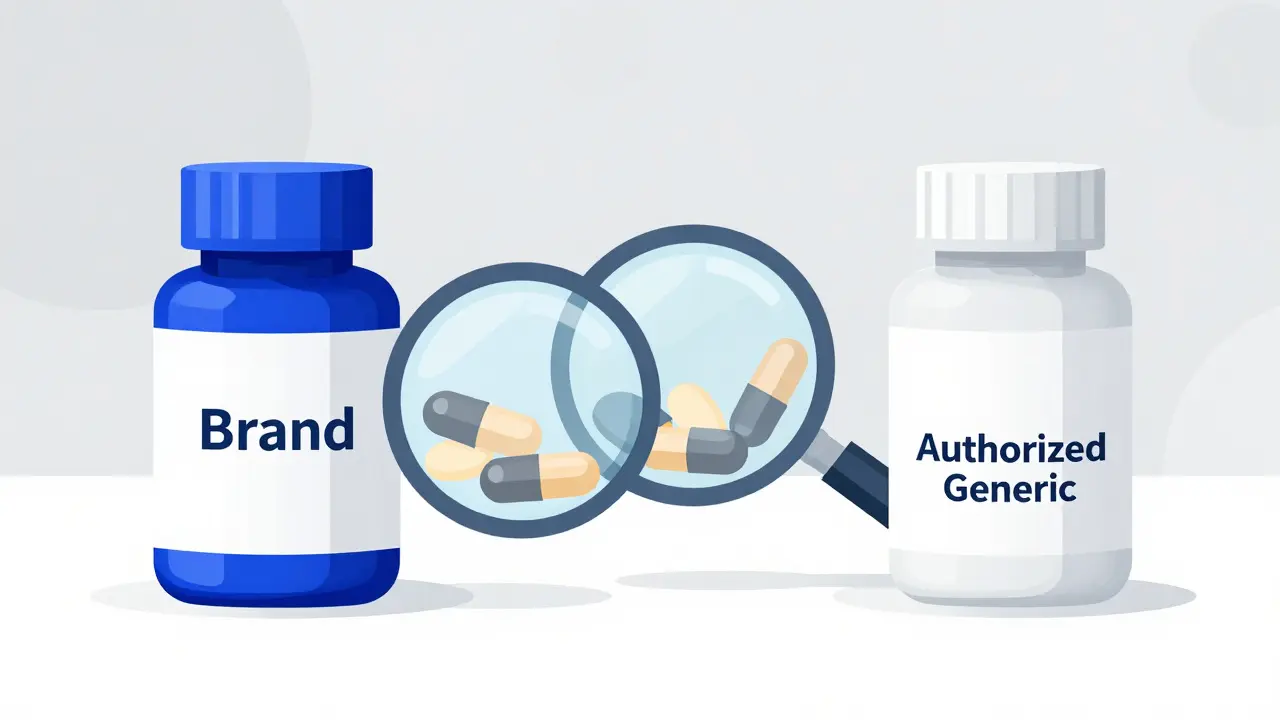
When people hear "generic," they often think of a cheaper copy made by a completely different company. While traditional generics are safe and effective, they aren't always identical in every way. Authorized generics, however, are produced by the exact same company that makes the brand-name drug. They contain the same active ingredients and, crucially, the same inactive ingredients (fillers and binders). For patients who are sensitive to formulation changes, this distinction matters more than you might think.
What Exactly Is an Authorized Generic?
To understand authorized generics, you first need to look at how drug patents work. When a pharmaceutical company develops a new medication, they get exclusive rights to sell it for a certain period. This is protected by a New Drug Application (NDA) filed with the Food and Drug Administration (FDA). Once the patent expires, other companies can make their own versions through a process called the Abbreviated New Drug Application (ANDA).
An authorized generic is unique because it bypasses the ANDA process entirely. Instead, the brand-name manufacturer decides to sell its own product under a different label-usually without the fancy brand name-at a lower price. According to the FDA's definition under Subsection 505(t)(3), these drugs are marketed directly by the innovator company but use different packaging or labeling. Think of it like buying a high-end designer shirt at a discount outlet store; the fabric and stitching are identical, but the tag says something different.
The key difference lies in the manufacturing source. Traditional generics must prove they are "bioequivalent" to the brand name, meaning they deliver the same amount of active ingredient into your bloodstream over the same time frame. However, they are allowed to use different inactive ingredients. An authorized generic doesn’t need to prove bioequivalence because it *is* the brand-name drug, just sold at a generic price point. It uses the original NDA, ensuring that every component, from the active pharmaceutical ingredient to the dyes and fillers, remains unchanged.
Why Patients Choose Authorized Generics Over Traditional Ones
You might ask why anyone would choose an authorized generic over a traditional one if both are cheaper than the brand. The answer often comes down to sensitivity and consistency. Not all pills are created equal when it comes to non-active components. Fillers, binders, and coatings help hold the pill together and control how it dissolves in your body.
For most medications, switching between brands and traditional generics causes no issues. But for some patients, especially those taking narrow therapeutic index (NTI) drugs, small changes matter. NTI drugs have a very small margin between a helpful dose and a harmful one. Examples include warfarin (a blood thinner) and levothyroxine (for thyroid conditions). A study published in US Pharmacist noted that 32% of patients reported adverse reactions when switching between brand and traditional generics due to these inactive ingredient differences.
If you’ve struggled with side effects after switching to a traditional generic, an authorized generic might be the solution. Since it contains the exact same inactive ingredients as the brand, it eliminates the variable of filler sensitivity. Dr. Aaron Kesselheim, a professor at Harvard Medical School, has pointed out that authorized generics offer the most reliable alternative for patients who experience problems with traditional formulations. In practical terms, this means fewer headaches, less nausea, or stable blood levels without the guesswork.
Cost Savings: How Much Can You Actually Save?
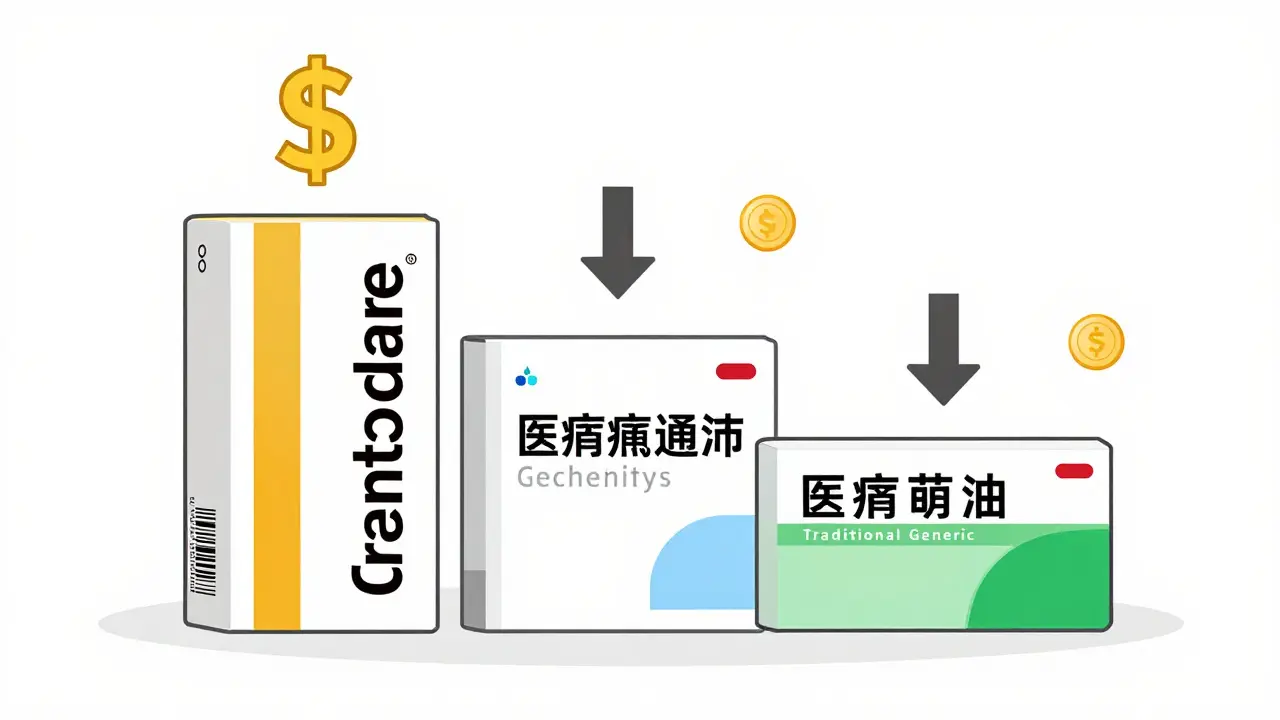
Let’s talk money, because that’s usually the primary driver for switching to any generic. Brand-name drugs can cost hundreds of dollars per month. Traditional generics typically drop the price significantly, often by 80-85%. Authorized generics sit somewhere in the middle, but they still offer substantial savings compared to the brand.
Research indicates that authorized generics generally cost 15-20% less than their brand-name counterparts. While this isn’t as steep a discount as a traditional generic, it’s a meaningful reduction for expensive specialty medications. For example, if a brand-name drug costs $400 a month, an authorized generic might bring that down to around $320-$340. More importantly, insurance coverage often treats authorized generics favorably.
Data from 2023 shows that Medicare Part D covers authorized generics at generic copay levels 92% of the time. Commercial insurers do so in 78% of cases. This means your out-of-pocket expense could be similar to what you’d pay for a traditional generic, even though the drug itself is priced higher. Always check with your pharmacy or insurance provider, but don’t assume you’ll pay full brand price just because it’s an authorized version.
| Feature | Brand-Name Drug | Authorized Generic | Traditional Generic |
|---|---|---|---|
| Manufacturer | Innovator Company | Innovator Company | Third-Party Company |
| Active Ingredients | Identical | Identical | Identical |
| Inactive Ingredients | Original Formula | Original Formula | May Differ |
| FDA Approval Path | New Drug Application (NDA) | New Drug Application (NDA) | Abbreviated New Drug Application (ANDA) |
| Price Range | Highest | Moderate (15-20% off brand) | Lowest (80-85% off brand) |
| Bioequivalence Proof | d>Not Required (Original)Not Required (Identical) | Required |
Availability and Market Trends
One common frustration is finding out that an authorized generic simply isn’t available for your medication. As of 2023, only about 15-20% of brand-name drugs had an authorized generic version on the market. These are not mass-produced for every single drug. Pharmaceutical companies strategically choose which drugs to launch as authorized generics, often focusing on high-revenue specialty drugs or those nearing patent expiration.
The market for authorized generics is growing. IQVIA data reveals that they represented 8.7% of total generic prescriptions by volume in 2022, up from 5.2% in 2018. Analysts project this share could grow to 12-15% by 2026. This growth is driven by increased competition and regulatory pressure. The Federal Trade Commission (FTC) has highlighted that markets with authorized generics see average wholesale prices drop by 12.3% compared to those without them.
If you’re interested in trying an authorized generic, you won’t find it listed separately in the FDA’s Orange Book in the same way traditional generics are. Because they are sold under the brand’s NDA, they are considered therapeutically equivalent to the brand. Pharmacists identify them through National Drug Code (NDC) cross-referencing. About 87% of chain pharmacies have protocols to handle these switches, but you may need to specifically ask your pharmacist if an authorized version is available for your prescription.
Navigating Insurance and Pharmacy Protocols
Switching to an authorized generic isn’t always automatic. Your prescription might say "Dispense as Written" or "Brand Medically Necessary." If your doctor writes this, the pharmacist cannot substitute any generic, including an authorized one, without contacting the prescriber. However, if the prescription allows substitution, pharmacists in many states, including Massachusetts, are permitted to interchange brand-name drugs with authorized generics.
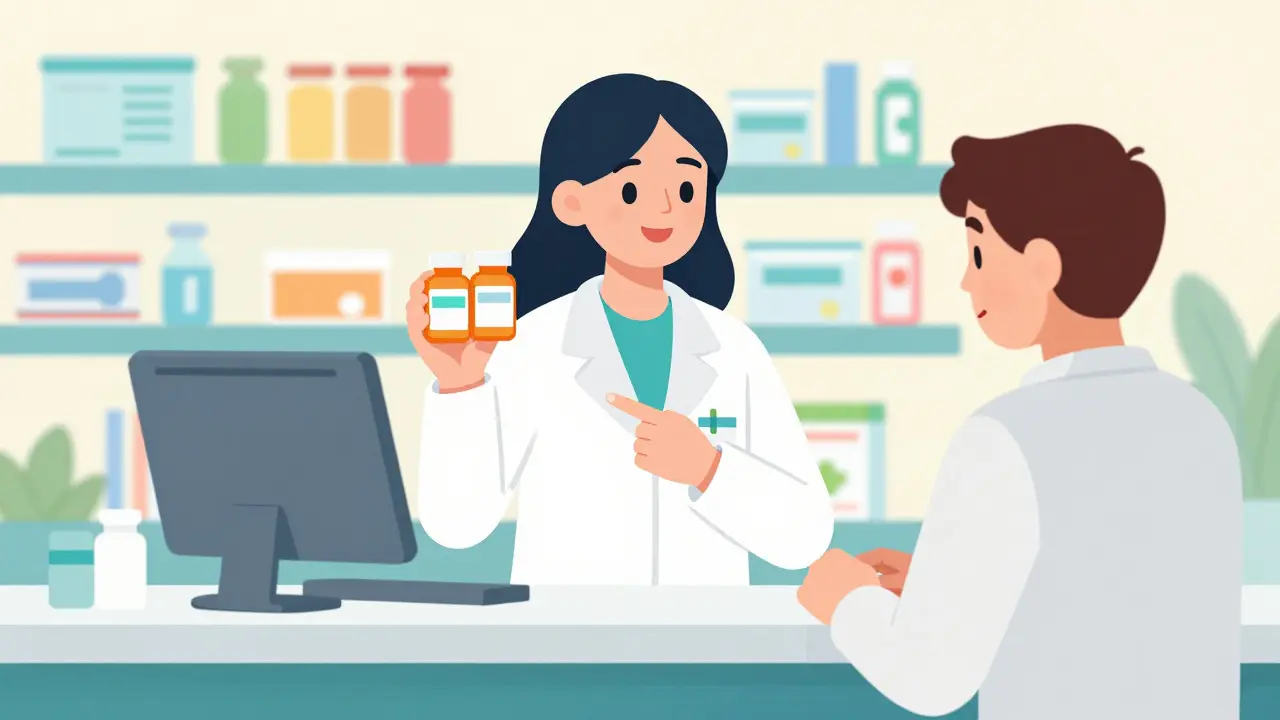
Confusion at the pharmacy counter is a real issue. A 2022 Kaiser Family Foundation study found that 28% of patients didn’t realize they received an authorized generic until after purchase. This lack of transparency can cause unnecessary anxiety. To avoid this, ask your pharmacist explicitly: "Is this an authorized generic or a traditional generic?" They should be able to tell you based on the manufacturer code on the bottle.
Insurance plans vary widely. Some plans have preferred generic lists that might exclude authorized generics if a cheaper traditional option exists. Others treat them identically to traditional generics. With Medicare Part D covering them at generic copays nearly 92% of the time, seniors often benefit significantly. If you’re on a commercial plan, call your insurer’s member services line and ask about their policy on authorized generics before you switch.
Regulatory Landscape and Future Outlook
The rules around authorized generics are evolving. For years, there was little transparency about which drugs were authorized generics. The FDA recognized this gap and launched an initiative in 2023 to improve clarity. By Q2 2024, the FDA planned to create a dedicated section for authorized generics in the Orange Book, making it easier for healthcare providers and patients to identify them.
There is also ongoing debate about whether brand companies use authorized generics to stifle competition. Critics argue that launching an authorized generic during the 180-day exclusivity period granted to the first traditional generic filer undermines the Hatch-Waxman Act’s incentives. The Generic Pharmaceutical Association (GPhA) has raised concerns that 43% of authorized generic launches occur during this window. However, consumer advocates point out that this strategy ultimately lowers prices for patients. The FTC found that prices were 25-30% lower when authorized generics competed during this period.
Looking ahead, expect more scrutiny but also more availability. The Biden administration’s Executive Order on Promoting Competition in the American Economy directed agencies to address anti-competitive tactics, including strategic authorized generic launches. Yet, for the patient, the bottom line remains positive: more options mean more leverage to get affordable, consistent care.
Questions to Ask Your Doctor and Pharmacist
Before making the switch, gather information. Here are specific questions to help you decide if an authorized generic is right for you:
- "Is my medication a narrow therapeutic index drug?" If yes, an authorized generic may be safer due to identical inactive ingredients.
- "Does my insurance cover authorized generics at the same copay as traditional generics?" This determines your actual out-of-pocket cost.
- "Can you verify if an authorized generic is currently available for my prescription?" Availability fluctuates, so checking with your specific pharmacy is key.
- "Will switching affect my current dosage stability?" Especially important for hormones or blood thinners.
- "Who is the manufacturer of the generic you are dispensing?" Knowing the manufacturer helps you distinguish between authorized and traditional versions.
Authorized generics represent a smart, often overlooked option in the complex world of prescription drugs. They bridge the gap between the high cost of brand names and the potential variability of traditional generics. By understanding what they are and how they differ, you can take control of your healthcare costs without compromising on quality or consistency. Don’t hesitate to advocate for yourself at the pharmacy counter; asking the right questions can lead to better health outcomes and a lighter wallet.
Are authorized generics as safe as brand-name drugs?
Yes, authorized generics are considered just as safe as brand-name drugs because they are manufactured by the same company using the exact same formula, including both active and inactive ingredients. They are approved under the original New Drug Application (NDA) rather than going through a separate bioequivalence study required for traditional generics.
How much cheaper are authorized generics compared to brand names?
Authorized generics typically cost 15-20% less than their brand-name counterparts. While this is not as significant a discount as traditional generics (which can be 80-85% cheaper), it still offers substantial savings. Additionally, many insurance plans cover authorized generics at the lower generic copay tier, further reducing out-of-pocket costs.
Can my pharmacist switch my prescription to an authorized generic?
In many states, pharmacists can substitute brand-name drugs with authorized generics if the prescription does not specify "no substitution." However, because authorized generics are not always clearly labeled differently, you may need to ask your pharmacist specifically if an authorized version is available and if your insurance covers it at a generic rate.
What is the difference between an authorized generic and a traditional generic?
The main difference is the manufacturer and the inactive ingredients. An authorized generic is made by the same company that produces the brand-name drug and uses identical inactive ingredients (fillers, binders). A traditional generic is made by a different company and must prove bioequivalence but can use different inactive ingredients, which sometimes causes sensitivity issues for some patients.
Why are authorized generics not always available?
Authorized generics are a strategic business decision by pharmaceutical companies. As of 2023, only 15-20% of brand-name drugs have an authorized generic version. Companies often introduce them near the end of patent protection or to compete with early traditional generic entrants, so availability depends on the specific drug and market timing.