
Antidepressant Overdose: Recognizing Serotonin Syndrome Warning Signs Early
 Jan, 7 2026
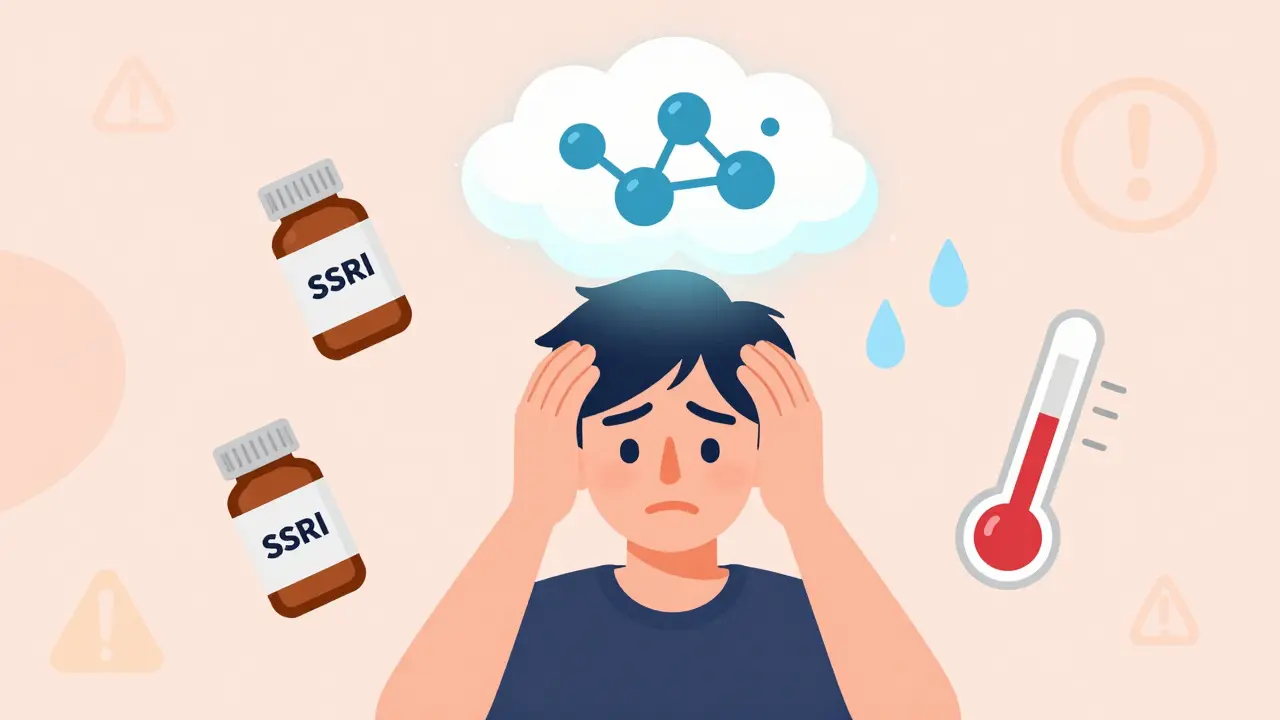
Every year, more people in the UK and around the world start taking antidepressants. That’s a good thing - these medications help millions manage depression and anxiety. But when they’re taken the wrong way - whether by accident, mistake, or intentional overdose - they can trigger something dangerous: serotonin syndrome. It doesn’t happen often, but when it does, it can turn deadly in hours. And the worst part? Many people don’t know the signs until it’s too late.
What Exactly Is Serotonin Syndrome?
Serotonin syndrome isn’t just a side effect. It’s a medical emergency caused by too much serotonin building up in your nervous system. This usually happens when you take more than one drug that boosts serotonin - like mixing an SSRI with a migraine medicine, a painkiller, or even a common cough syrup. It can also happen if you suddenly increase your antidepressant dose, or if you switch from one antidepressant to another without waiting long enough.
The body doesn’t handle excess serotonin well. Your brain and nerves go into overdrive. Your muscles twitch uncontrollably. Your heart races. Your temperature spikes. And your mind gets confused. All of this can happen within an hour of taking a new medication or changing a dose. In fact, 30% of cases show symptoms within 60 minutes, and 60% show up within six hours.
The Three Clusters of Symptoms You Can’t Ignore
Serotonin syndrome doesn’t present with one single symptom. It shows up in three clear clusters - mental, physical, and muscle-related. If you see even two of these together, especially after a medication change, treat it as urgent.
- Mental changes: Confusion, agitation, anxiety, restlessness, or even hallucinations. People often think they’re having a panic attack - but this is different. It’s not just feeling nervous. It’s feeling like your thoughts are spinning out of control.
- Physical (autonomic) signs: Sweating so much your clothes soak through, high blood pressure (over 160 mmHg systolic), fast heart rate (over 100 bpm), fast breathing, dilated pupils (5-8mm wide instead of the normal 2-4mm), and fever above 38°C (100.4°F). These aren’t normal flu symptoms. They’re your body screaming it’s overheating and overstimulated.
- Neuromuscular red flags: Tremors, muscle twitching, clonus (that’s when your foot or hand suddenly jerks on its own), hyperreflexia (your knee-jerk reflex is way too strong), and muscle stiffness that feels like rigidity, not just soreness. Clonus is the single most telling sign - if you see it, serotonin syndrome is very likely.
One real-world example: A 42-year-old man in Bristol started taking sertraline for depression. Two weeks later, his doctor added tramadol for chronic back pain. Within 10 hours, he began shaking, sweating, and couldn’t sit still. He thought he was just anxious. By midnight, his temperature hit 39°C, his legs were jerking uncontrollably, and he couldn’t answer simple questions. He ended up in intensive care. He survived - but only because his wife recognized the symptoms after reading about serotonin syndrome online.
What Medications Can Trigger It?
You don’t need to overdose on an antidepressant to get serotonin syndrome. Even normal doses can cause it when combined with other serotonergic drugs. Here’s what to watch out for:
- SSRIs: Sertraline, fluoxetine, escitalopram - these are the most common culprits, accounting for 62% of reported cases.
- SNRIs: Venlafaxine, duloxetine - responsible for 24% of cases.
- MAOIs: Phenelzine, tranylcypromine - less common but extremely dangerous if mixed with anything else. You must wait 14 days after stopping an MAOI before starting an SSRI or SNRI.
- Pain meds: Tramadol, fentanyl, meperidine.
- Migraine drugs: Sumatriptan and other triptans.
- Cough syrups: Dextromethorphan (found in many OTC brands).
- Supplements: St. John’s wort, tryptophan, 5-HTP.
Over 78% of cases involve two or more of these drugs. That’s why it’s not just about your antidepressant - it’s about everything you’re taking.
How Is It Diagnosed?
There’s no blood test that confirms serotonin syndrome. No single number tells you you’ve got it. Instead, doctors use the Hunter Serotonin Toxicity Criteria, the gold standard. You’re diagnosed if you have:
- Spontaneous clonus, OR
- Inducible clonus plus agitation or sweating, OR
- Ocular clonus plus agitation or sweating, OR
- Tremor plus hyperreflexia, OR
- Muscle rigidity plus fever above 38°C plus ocular or inducible clonus.
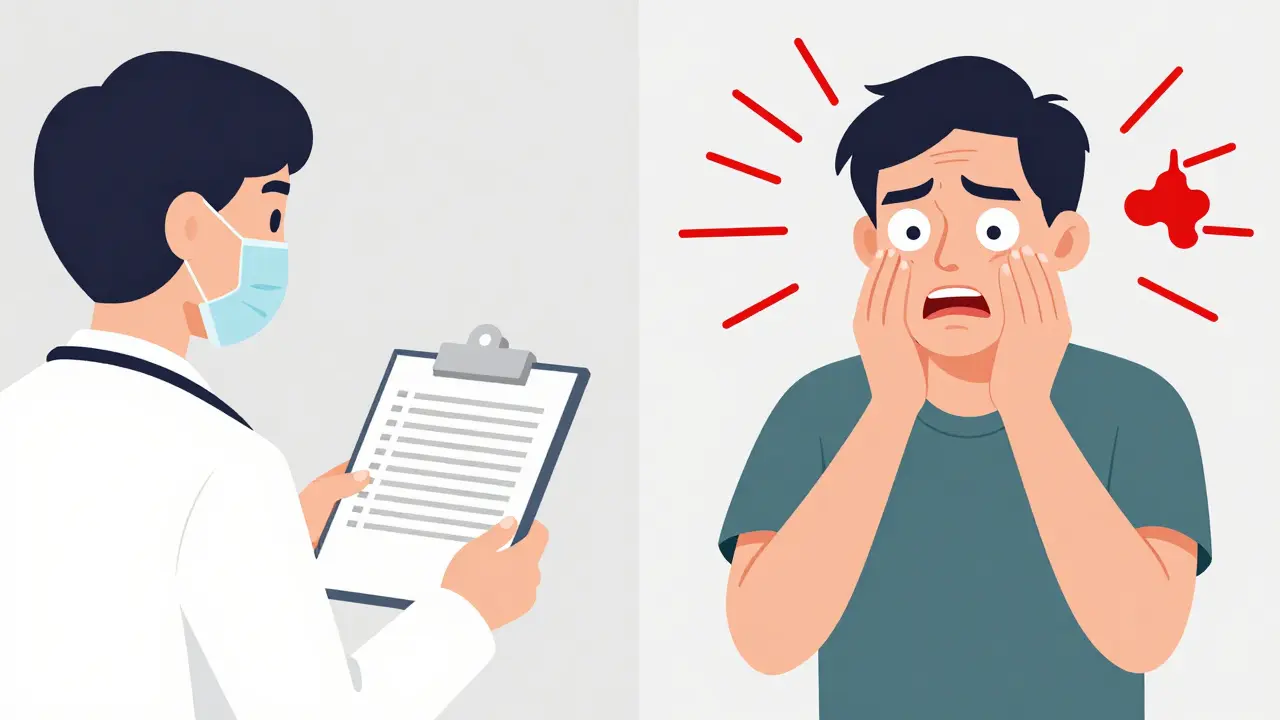
This system is 84% accurate at spotting serotonin syndrome and 97% good at ruling it out. That’s why doctors who know what to look for rarely miss it. But here’s the problem: many don’t. Studies show nearly 1 in 4 cases are misdiagnosed - often as anxiety, flu, or heatstroke.
What It’s Not: Ruling Out Similar Conditions
Not every fever and twitch is serotonin syndrome. Two conditions often get confused with it:
- Neuroleptic Malignant Syndrome (NMS): Caused by antipsychotic drugs. It develops slowly - over days or weeks. Symptoms include slow, stiff muscles (not twitching), low reflexes (not overactive), and no clonus. Temperature can be just as high, but the muscle pattern is totally different.
- Anticholinergic toxicity: Caused by drugs like diphenhydramine or certain antihistamines. It causes dry mouth, no sweating, urinary retention, and constipation - the opposite of serotonin syndrome, which causes sweating, diarrhea, and increased bowel sounds.
If you’re unsure, err on the side of caution. Better to get checked than wait.
What Happens If It’s Not Treated?
Serotonin syndrome can kill. Death rates range from 0.5% to 12%, depending on how fast you get help. The most dangerous complications are:
- High fever above 41.1°C (106°F) - this can cause organ failure.
- Severe muscle rigidity leading to rhabdomyolysis - your muscles break down, flooding your blood with toxins that can crash your kidneys.
- Seizures or irregular heartbeat - both can be fatal.
- Unconsciousness - when the brain can’t handle the chemical overload.
One study showed that people who waited more than 12 hours before seeking help were 5 times more likely to need intensive care - and 3 times more likely to die.
How Is It Treated?
If caught early, serotonin syndrome can be reversed. Treatment is simple - but time-sensitive.
- Stop the medication immediately. No exceptions. Every hour you wait increases the risk.
- Get IV fluids. You’re likely dehydrated from sweating and vomiting. Fluids help cool you down and protect your kidneys.
- Use benzodiazepines. Lorazepam or diazepam calm your nerves, reduce muscle spasms, and lower your heart rate. This is often the first step in the ER.
- Cool you down. Ice packs, cooling blankets, fans - anything to bring your temperature down slowly. Don’t let it drop too fast, though. Aim for 1-2°C per hour.
- Give cyproheptadine. This is the only specific antidote. It blocks serotonin. Dose: 12mg orally, then 2mg every 2 hours until symptoms improve. Most people start feeling better within 24-48 hours.
Only about 30% of cases need hospitalization. But if you have a fever over 38.5°C, clonus, or confusion, you need to go to the ER - no ifs, ands, or buts.
How to Prevent It
Prevention is easier than treatment. Here’s how to stay safe:
- Never mix antidepressants without checking with your doctor or pharmacist. Even “harmless” OTC meds can trigger this.
- Wait 14 days after stopping an MAOI before starting any other antidepressant. This isn’t optional. It’s a hard rule.
- Keep a full list of everything you take. Include supplements, herbal remedies, and painkillers. Show it to every new doctor.
- Ask your prescriber: “Could this interact with my antidepressant?” If they can’t answer, get a second opinion.
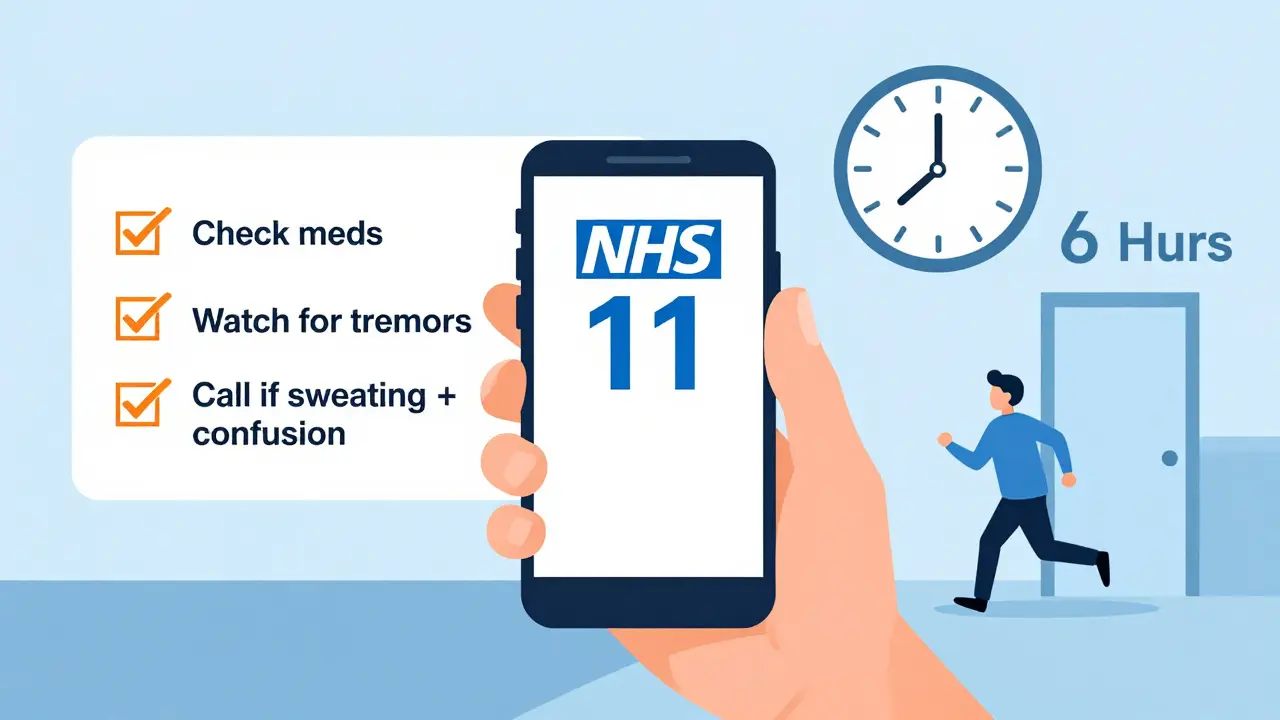
- Know your symptoms. If you start shaking, sweating, or feeling confused after a new med - don’t wait. Call 111 or go to A&E.
A 2024 study found that patients who were properly warned about serotonin syndrome were 47% less likely to develop it. Education saves lives.
Final Thought: Trust Your Body
Many people dismiss early signs as “just anxiety” or “side effects.” But serotonin syndrome doesn’t wait. It doesn’t care if you’re “just a little jittery.” If your body feels wrong - especially after a medication change - act fast. Tremors. Sweating. Clonus. Confusion. These aren’t normal. They’re alarms.
Antidepressants are powerful tools. But like any tool, they can hurt if used carelessly. You don’t need to be afraid of them. You just need to be informed.
Can serotonin syndrome happen with just one antidepressant?
Yes, but it’s rare. Most cases happen when two or more serotonergic drugs are combined. However, taking a very high dose of a single SSRI or SNRI - especially if you’re sensitive or have liver problems - can still trigger serotonin syndrome. Never increase your dose without medical supervision.
How long does serotonin syndrome last?
Symptoms usually start improving within 24 hours after stopping the medication and starting treatment. Most people recover fully in 1-3 days. But if complications like high fever or muscle breakdown occur, recovery can take weeks. The sooner you get help, the faster you heal.
Is serotonin syndrome the same as an allergic reaction?
No. An allergic reaction involves your immune system and usually causes hives, swelling, or trouble breathing. Serotonin syndrome is a neurological drug reaction - it’s about chemical overload in your brain and nerves. You can have serotonin syndrome even if you’ve taken the drug safely before.
Can I get serotonin syndrome from St. John’s wort?
Yes. St. John’s wort is a natural supplement that strongly increases serotonin. It’s been linked to serotonin syndrome when taken with SSRIs, SNRIs, or even tramadol. Many people assume “natural” means safe - but that’s not true here. Avoid combining it with any antidepressant.
Should I stop my antidepressant if I think I have serotonin syndrome?
Yes - but only after calling for emergency help. Don’t stop cold turkey on your own. If you’re severely unwell, you need medical supervision. Stopping suddenly can cause withdrawal symptoms. But if you’re having tremors, fever, or clonus, get to a hospital immediately. They’ll guide you on how to stop safely.
What to Do Next
If you’re on an antidepressant, take 5 minutes right now:
- Check your medicine cabinet. Do you have any of these: tramadol, triptans, dextromethorphan, St. John’s wort?
- Write down every pill, supplement, or patch you take daily.
- Call your GP or pharmacist. Ask: “Could any of these interact with my antidepressant?”
- Save the number for NHS 111 in your phone. If you feel something’s wrong - call them. Don’t wait.
Knowing the signs won’t scare you - it’ll protect you. And in a world where medication use keeps rising, that knowledge might just save your life - or someone else’s.
Joanna Brancewicz
January 9, 2026 AT 08:55Clonus is the red flag. If you see it, don’t wait. I’ve seen it in ICU - foot jerking like a metronome set to panic. No blood test confirms it, but your eyes do. Trust that.
Kristina Felixita
January 11, 2026 AT 08:51OMG this is so important!! I had no idea dextromethorphan could do this?? I’ve been taking that cough syrup for years 😳 I just texted my mom to stop hers - she’s on sertraline and totally didn’t know. Thanks for the wake-up call!! 🙏
Dave Old-Wolf
January 12, 2026 AT 09:05I’m a nurse and this is spot on. People think ‘antidepressant’ means safe. Nope. Mix it with tramadol? Big mistake. I had a guy come in last month - thought he was just having a panic attack. Turned out his knee was jerking nonstop. Clonus. We got him stabilized in 20 minutes. Knowledge saves lives.
Prakash Sharma
January 12, 2026 AT 18:16Why are Westerners so obsessed with pills? In India, we use yoga, diet, and meditation. No need for these chemical bombs. You poison your body with SSRIs, then get scared when it backfires? This is what happens when you forget nature.
Manish Kumar
January 14, 2026 AT 03:17Isn’t it ironic? We’ve created a system where the very tools meant to heal us - the pills, the protocols, the pharmaceutical narratives - become the instruments of our unraveling? Serotonin syndrome isn’t a medical error; it’s a symptom of our alienation from embodied wisdom. We outsource our nervous system to chemists, then panic when the machine glitches. The body remembers what the mind forgets.
Donny Airlangga
January 15, 2026 AT 07:16My cousin had this happen. She was on venlafaxine and took a cold medicine with dextromethorphan. Thought she was just hot and anxious. By the time she got to the hospital, her temp was 104. They had to cool her with ice baths. She’s fine now - but it took 3 days. Please, just check your meds.
Molly Silvernale
January 15, 2026 AT 22:59It’s like your nervous system throws a rave - no invitation, no bouncer, just lasers, bass, and a fever dream of twitching limbs and sweat-soaked shirts. The body doesn’t whisper. It screams in neon. And if you’re too busy scrolling to notice? Well… you become the cautionary tale.
Ken Porter
January 16, 2026 AT 15:35Why is this even a thing? If you can’t read a drug label, maybe you shouldn’t be on meds. Stop blaming the system. Take responsibility. This isn’t a conspiracy - it’s basic pharmacology 101.
swati Thounaojam
January 18, 2026 AT 10:46i read this and i just called my aunt in delhi. she takes st johns wort with her antidepressant. she didnt know. thank you for this.
Annette Robinson
January 19, 2026 AT 19:54This is an incredibly thoughtful and vital resource. I’ve shared it with my book club and my therapist’s office. If you’re on antidepressants - or know someone who is - please, take five minutes and review your medication list. It’s not fear-mongering. It’s self-care.
Luke Crump
January 21, 2026 AT 19:44Let’s be real - serotonin syndrome is just Big Pharma’s way of keeping you scared and dependent. What if the real problem isn’t the drugs… but the fact that we’ve turned emotional pain into a chemical equation? Maybe we need to stop treating symptoms and start healing the culture that made you need the pill in the first place.
Aubrey Mallory
January 23, 2026 AT 00:32My dad’s a doctor in rural Ohio. He told me 70% of his patients don’t even know what’s in their own prescriptions. This post? It’s a lifeline. I’m printing it out and handing it to every person I know on meds. No one should be this clueless in 2025.