
Acetaminophen Safety Guide: Preventing Overdose and Liver Damage
 Apr, 30 2026
You probably have a bottle of it in your medicine cabinet right now. Whether it's branded as Tylenol or sold as generic paracetamol, Acetaminophen is a widely used over-the-counter analgesic and antipyretic medication used to treat pain and reduce fever. It's the go-to for many because it doesn't irritate the stomach like aspirin or ibuprofen. But here is the scary part: the gap between a dose that helps your headache and a dose that destroys your liver is smaller than you think.
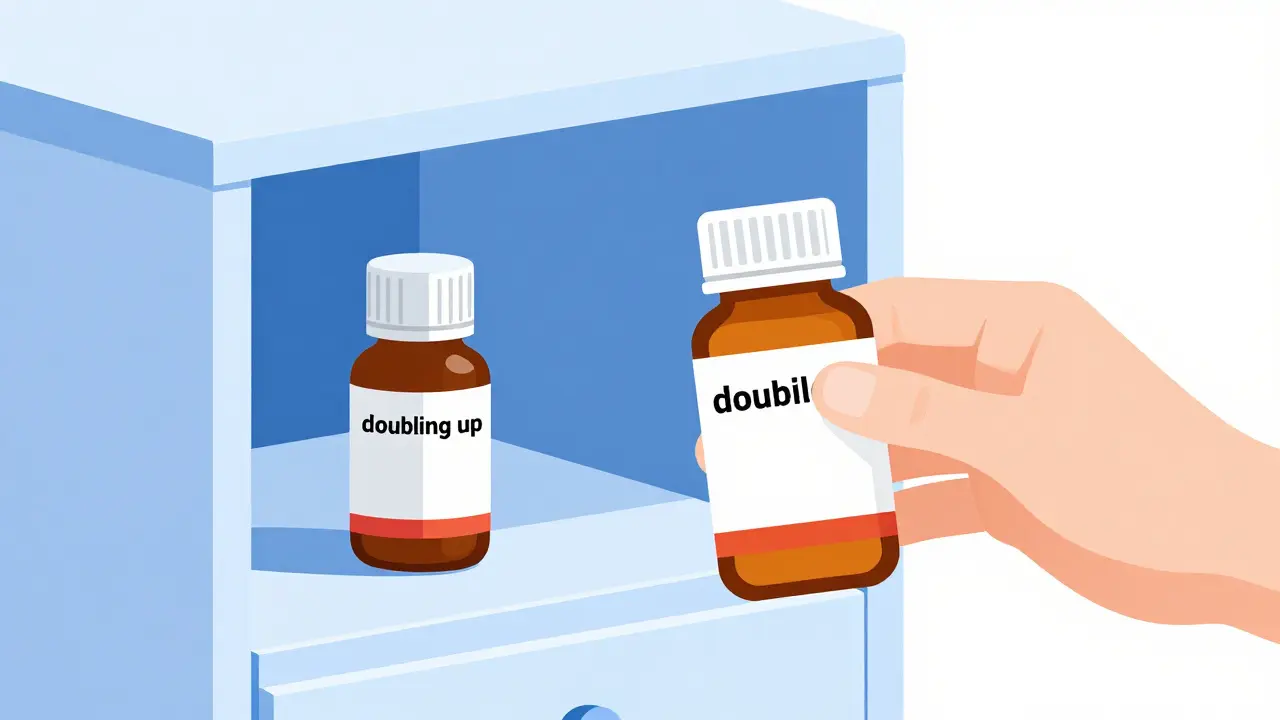
In the U.S. alone, this common drug causes about 500 deaths every year and is the leading cause of acute liver failure. Most of these aren't intentional. People aren't trying to hurt themselves; they're just taking a "daytime cold pill" and a "nighttime sleep aid," not realizing both contain the same active ingredient. When you accidentally double up, you're not just treating symptoms-you're risking your life.
The Hidden Danger: How Overdose Actually Happens
Most people think an overdose happens if they swallow the whole bottle at once. While that's dangerous, the more common threat is the "cumulative dose." The U.S. Food and Drug Administration reports that acetaminophen is hidden in roughly 600 different prescription and over-the-counter medications. If you take a multi-symptom flu remedy and then take a few extra-strength pain tablets for a backache, you might unknowingly cross the toxicity threshold.
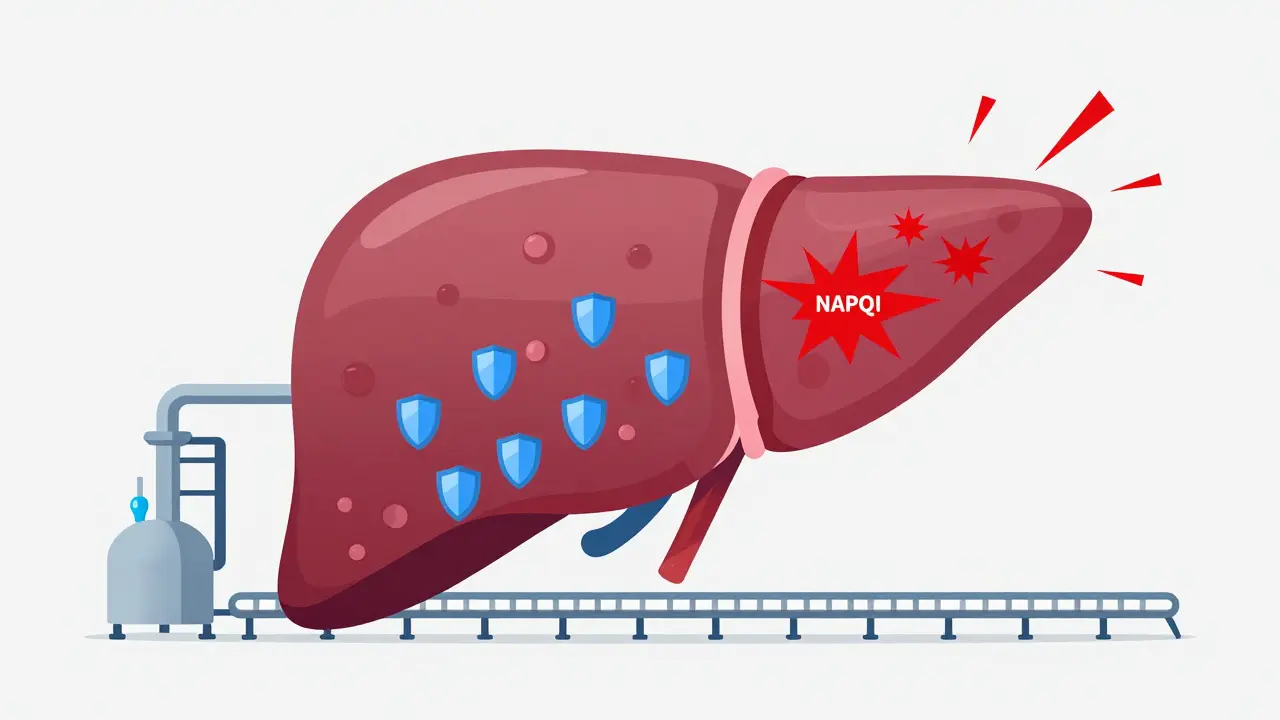
Your liver is the primary organ responsible for processing this drug. Normally, it does this efficiently. However, when you take too much, the liver's metabolic pathways get saturated. This creates a buildup of a toxic byproduct called NAPQI . Under normal conditions, a substance called glutathione neutralizes NAPQI. But in an overdose, glutathione stores run dry, and the NAPQI begins attacking and killing liver cells, leading to what doctors call hepatocellular necrosis.
Knowing the Limits: Safe Dosing vs. Toxic Zones
To stay safe, you need to treat your daily dose like a strict budget. Once you hit the limit, you cannot spend any more, regardless of how much pain you're in. For most healthy adults, the absolute maximum is 4 grams (4,000 mg) in a 24-hour period. That's typically eight 500mg tablets. However, many health experts suggest staying under 3,000 mg just to be safe.
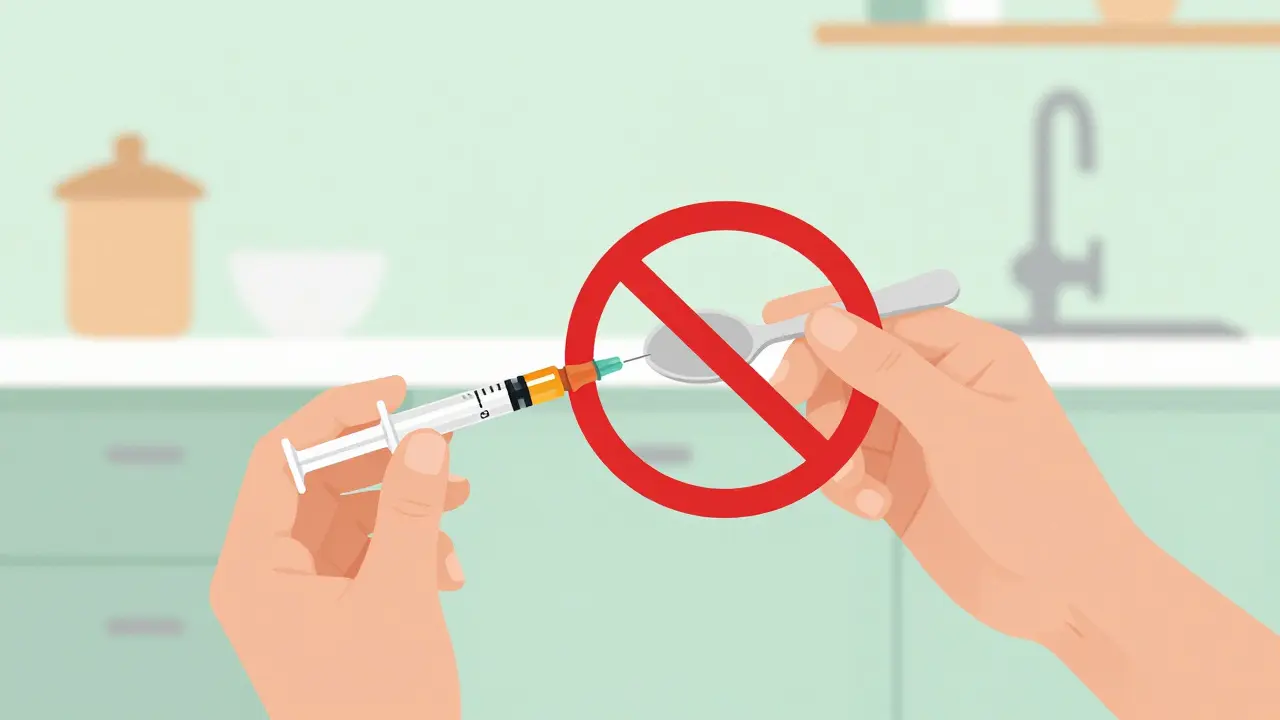
For children, the rules are different. Dosing is based strictly on weight: 10-15 mg per kilogram of body weight per dose. A huge mistake parents make is using kitchen spoons, which can lead to a 41% error rate in dosing. Always use the measuring device that comes with the medicine.
| Group | Max Daily Dose | Toxic Threshold (Acute) | Key Risk Factor |
|---|---|---|---|
| Adults | 4,000 mg | > 7.5 grams | Alcohol use / Liver disease |
| Children | 90 mg/kg/day | > 150 mg/kg | Incorrect measuring tools |
The Four Stages of Liver Toxicity
One of the most dangerous things about an acetaminophen overdose is that you might feel fine for the first day. This "silent period" often tricks people into thinking they are out of danger when they are actually in the worst window for treatment.
- Stage I (0-24 hours): You might feel nauseous, vomit, or just generally unwell. Many people have no symptoms at all, and blood tests usually look normal.
- Stage II (24-72 hours): This is where the liver damage starts showing up. You'll likely feel pain in the upper right side of your abdomen. Blood tests will show elevated liver enzymes (AST and ALT).
- Stage III (72-96 hours): This is the peak of the crisis. Jaundice (yellowing of the skin and eyes) appears in about 82% of hospitalized cases. Confusion, kidney failure, and internal bleeding can occur.
- Stage IV (5 days+): The outcome phase. You either begin a slow recovery or succumb to multi-organ failure.
Why Alcohol and Acetaminophen Don't Mix
If you're a regular drinker, your risk profile changes completely. Alcohol induces certain enzymes in the liver that actually speed up the production of that toxic NAPQI metabolite. Even drinking as few as three alcoholic drinks a day can make your liver significantly more susceptible to damage from standard doses of acetaminophen.
This is why people with chronic liver disease are often told to limit their intake to 2 grams per day or avoid the drug entirely. Your liver is already stressed; adding a chemical that depletes glutathione is like throwing gasoline on a fire.
Life-Saving Intervention: The 8-Hour Window
The good news is that we have a highly effective antidote. N-acetylcysteine (known as NAC) is the gold standard for treating overdose. It works by replenishing glutathione and neutralizing the toxin. However, timing is everything.
If you get NAC within 8 hours of taking too much, there is a 90% chance of full recovery without permanent liver damage. If you wait until 16 hours, that success rate drops to 60%. Because symptoms often don't appear until Stage II, you cannot wait until you "feel sick" to seek help. If you suspect you've taken too much, call Poison Control or go to the ER immediately.
Practical Prevention Checklist
Preventing an overdose isn't about avoiding the drug-it's about being a detective with your labels. Follow these rules to keep your liver safe:
- Scan for "APAP": Look at the active ingredients list. If you see "Acetaminophen" or the abbreviation "APAP," count those milligrams toward your daily total.
- Check Combination Drugs: Be wary of "All-in-One" cold and flu liquids. They almost always contain acetaminophen.
- Ditch the Kitchen Spoon: Use the syringe or cup provided with pediatric medicine. A "tablespoon" from your drawer is not a medical measurement.
- Audit Your Prescription Opioids: Many prescription painkillers like Vicodin or Percocet contain acetaminophen. If you're taking these, you may already be near your daily limit.
- Limit Alcohol: Avoid drinking alcohol while using any product containing paracetamol.
Can I take acetaminophen and ibuprofen together?
Yes, they work differently. Ibuprofen is an NSAID that reduces inflammation, while acetaminophen works primarily on the central nervous system to block pain. Because they are processed by different organs (ibuprofen by the kidneys and acetaminophen by the liver), they can often be taken together, but you should still consult a doctor to ensure neither interferes with your existing health conditions.
What is a "toxic dose" of acetaminophen?
For most adults, an acute toxic dose is generally considered to be anything over 7.5 grams (15,000 mg) taken in a single ingestion. However, chronic toxicity can occur if you take more than 4 grams per day over several days, especially if you have liver issues or consume alcohol.
Why is acetaminophen safer for some people than ibuprofen?
Acetaminophen doesn't cause the gastrointestinal bleeding or kidney strain that NSAIDs (like ibuprofen or naproxen) can. This makes it the preferred choice for people with stomach ulcers, kidney disease, or those on blood thinners.
What should I do if I think I've taken too much?
Do not wait for symptoms to appear. Call your local Poison Control center or go to the nearest emergency room immediately. Treatment with N-acetylcysteine (NAC) is most effective within the first 8 hours after ingestion.
Are "Extra Strength" tablets more dangerous?
They aren't more dangerous if used correctly, but they make it easier to accidentally overdose. One "Extra Strength" tablet (500mg) is 2.5 times the dose of a regular tablet (200mg). People often forget to adjust the number of pills they take when switching strengths, leading to a higher cumulative dose.
Srinivas Komakula
May 3, 2026 AT 01:08The pharmacological opacity regarding the distribution of these compounds is precisely why the systemic healthcare apparatus remains distrusted!!! One must analyze the pharmacokinetic profiles of NAPQI induction to realize the potential for intentional toxicity masked as accidental overdose!!! This is an orchestrated failure of transparency in the pharmaceutical industrial complex!!!
Andrew Hanssen
May 4, 2026 AT 19:42Actually, the obsession with the 4,000 mg limit is a bit arbitrary. Some people handle it fine, while others don't. The panic over the 8-hour window is just a way to drive ER visits.
Rebekah Korak
May 5, 2026 AT 06:37It's honestly just a reflection of our collective societal decay that we've reached a point where people can't even read a label on a bottle of Tylenol without a guide, but I suppose that's the price of this mindless consumerism where we prioritize the quick fix over the ancestral wisdom of knowing our own bodies. We treat our livers like disposable filters in a machine rather than a sacred temple of detoxification, and then we act shocked when the biological repercussions of our ignorance manifest as hepatic failure, which is just the universe's way of telling us to stop outsourcing our consciousness to the pharmaceutical industry and start paying attention to the actual chemical warfare we're waging on our internal organs every time we pop a pill for a mild headache just because we're too lazy to drink a glass of water or take a nap.
Jimmy Crocker
May 6, 2026 AT 10:45I find it utterly quaint that anyone believes a simple list of precautions can mitigate the systemic ineptitude of the average consumer who can't even distinguish between a brand and a generic, honestly it's almost comical how some people struggle with basic math regarding milligrams per kilogram when that's essentially primary school arithmetic, but I suppose when the general intellect of the populus continues its steady decline we must rely on these glorified pamphlets to prevent the masses from accidentally incinerating their own livers through sheer incompetence.
Allison Maier
May 8, 2026 AT 09:47too long didn't read. just don't take too many pills lol 🙄
Lando Neal
May 10, 2026 AT 02:29This is so helpful!!! I never knew about the NAC antidote!!! It's amazing how science can save us when we mess up!!!
Preety Singh
May 11, 2026 AT 05:30The lack of nuance in this presentation is quite distressing. One should naturally possess the intellectual capacity to discern ingredient lists without a checklist.
Kelly Feehely
May 11, 2026 AT 18:08Wake up people!! They put this stuff in everything so you become dependent on the system!! The FDA doesn't care about your liver, they care about the profits of the big drug companies who sell you the 'cure' after they poison you with hidden dosages!! It's a scam!!
Alexa Mack
May 12, 2026 AT 09:33I wonder if the dosing guidelines differ in other countries? It would be interesting to see how different health systems approach the prevention of liver toxicity.
Kartik Agarwal
May 14, 2026 AT 00:19For those of you looking to dive deeper, you should look into the cytochrome P450 enzyme system. Understanding how these enzymes catalyze the conversion of APAP into NAPQI provides a much clearer picture of why alcohol induces toxicity through the CYP2E1 pathway.
princess lovearies
May 14, 2026 AT 18:43Let's just be kind to ourselves and remember that mistakes happen. The important thing is to stay informed and look out for one another.
Prudence Wesson
May 14, 2026 AT 23:08It is simply an atrocity that some individuals are so uneducatied as to use a kitchen spoon for medecine!!! The negligence is quite appalling!!!
Divya Patel
May 16, 2026 AT 08:22The liver is like a silent witness to our choices... it bears the burden of our haste and our ignorance until it can no longer sustain the weight of our mistakes!!! It is a poignant reminder of the fragility of the human vessel!!!